



Emergency Shutoff Steps for Home and Business

A burst supply line can release dozens of gallons before help arrives. A storm can push water toward electrical equipment. A gas odor can turn a routine maintenance issue into an immediate life-safety concern. Knowing the right emergency shutoff steps gives you a short, practical window to limit damage without putting yourself, your family, tenants, employees, or visitors at risk.
For Central New Jersey property owners, the first rule is simple: protect people before property. Do not enter standing water near electrical equipment, do not investigate a suspected gas leak, and do not re-enter a structure after a fire until authorities say it is safe. Once people are out of danger, the right shutoff can reduce the size of a restoration project, preserve materials, and make the next steps more controlled.
Emergency Shutoff Steps: Start With Safety
Before touching a valve, breaker, or appliance, pause long enough to assess the hazard. If there is active fire, smoke, a strong gas smell, sparking, downed power lines, structural movement, or sewage-contaminated water, leave the area and call 911. A shutoff is not worth an injury.
If conditions are stable enough to act, keep children, pets, customers, and untrained staff away from the affected space. Wear closed-toe shoes and avoid wet areas where electricity may be present. Use a flashlight rather than candles or open flames. For commercial facilities, assign one person to communicate with emergency responders and another to keep people from entering the hazard area.
Take only the actions you can complete safely. A water shutoff is often appropriate when a pipe breaks. Turning off electrical power can be appropriate when water is spreading but has not reached the panel. A suspected gas leak is different: evacuation comes first, and the utility or fire department should handle the shutoff whenever possible.
Shut Off Water During Leaks, Overflows, and Flooding
A plumbing failure is one of the few emergencies where fast action can make a dramatic difference. If a sink, toilet, washing machine hose, water heater, or visible supply pipe is leaking, start by closing the nearest fixture valve. These small valves are usually located beneath a sink, behind a toilet, or near the appliance. Turn the valve clockwise until it stops, but do not force a corroded valve.
When the leak cannot be isolated, use the main water shutoff. In many homes, it is near the water meter, where the service line enters the basement, crawlspace, utility room, garage, or exterior wall. In commercial buildings, it may be in a mechanical room, meter pit, or designated utility area. Property managers should make sure staff know its location before an emergency happens.
After shutting off the water, open a cold-water faucet at the lowest safe point in the building to relieve pressure and drain remaining water from the lines. Do not use fixtures if there is a sewer backup or if wastewater is rising from drains. That condition can involve bacteria, viruses, and other contaminants that require professional sanitation.
A main water shutoff will not stop stormwater entering through a roof, foundation, window, or exterior door. It also will not stop water supplied by a well pump unless power to the pump is turned off. In either situation, move belongings only if the route is dry and safe, then focus on containing exposure and documenting visible damage.
What Not to Do After the Water Is Off
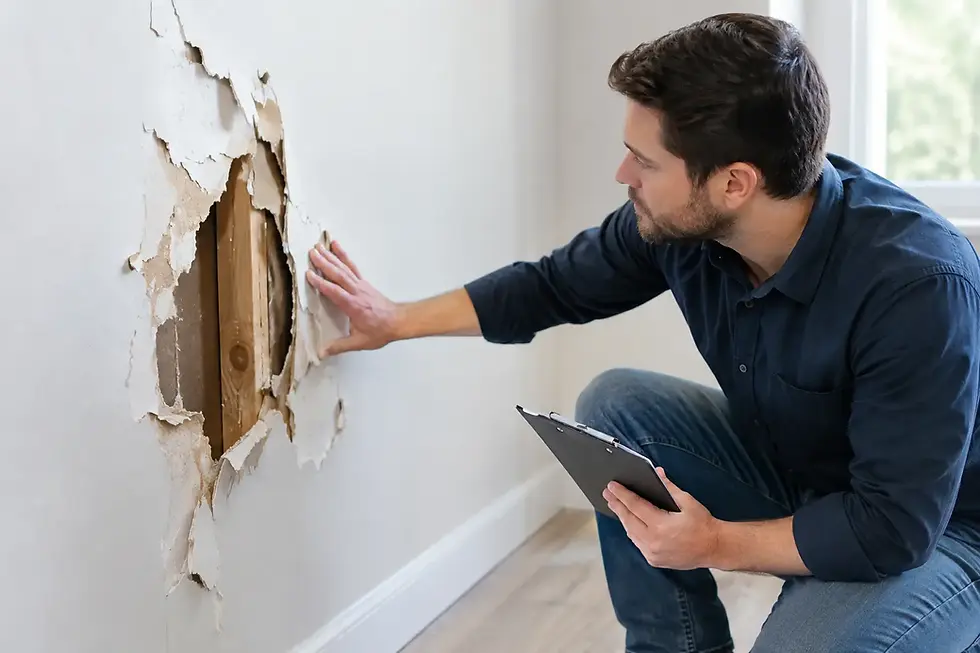
Do not assume the problem is over because the flow has stopped. Water can travel behind walls, under flooring, through ceiling cavities, and into insulation. Avoid using a household vacuum on standing water, especially if the area is damp near outlets or appliances. Do not turn HVAC equipment back on if water may have entered ducts, air handlers, or electrical components.
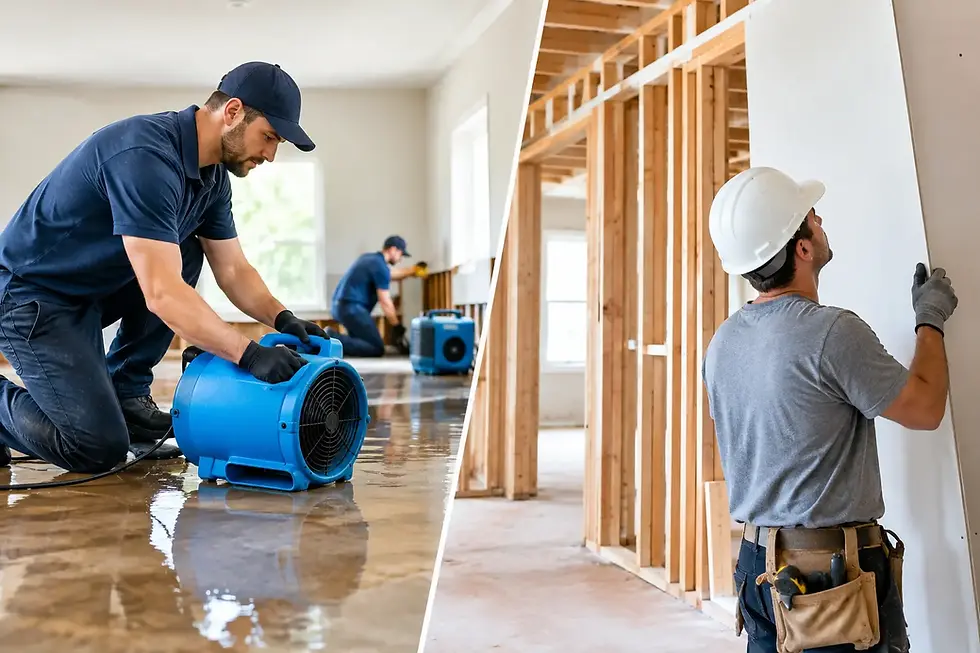
Photograph the source, affected rooms, and damaged belongings from a safe location. Then contact your insurer and a qualified restoration team. Fast extraction, moisture mapping, and structural drying are what prevent a manageable water loss from becoming mold growth, warped flooring, or damaged drywall.
Shut Off Electricity When Water Creates a Hazard
Water and electricity require a conservative approach. If water is near outlets, extension cords, appliances, a breaker panel, or electrical equipment, do not walk into the water to reach the panel. Leave the area and call 911 or a qualified electrician when there is any doubt.
If the electrical panel is dry, accessible, and you can reach it without crossing wet flooring, turn off the affected circuit first. Clearly labeled panels make this much easier. If you cannot identify the correct circuit, turn off the main breaker only when it is safe to do so. This may protect against electrical shock and reduce the risk of damaged equipment energizing wet materials.
Never reset a tripped breaker repeatedly during a water event. A breaker that trips is signaling a problem that needs investigation. Likewise, do not plug in fans, pumps, dehumidifiers, or chargers in a wet area until electrical safety has been confirmed. Professional restoration equipment is useful only after the space has been made safe for operation.
For businesses, electrical shutoff procedures should account for critical systems such as servers, refrigeration, alarms, medical equipment, and access controls. The trade-off is real: shutting down power may interrupt operations, but leaving energized equipment in a wet environment can create a far more serious hazard. Build these decisions into an emergency plan, with clear responsibility assigned before a loss occurs.
Respond to a Gas Leak by Leaving, Not Troubleshooting
Natural gas is commonly identified by a sulfur-like or rotten-egg odor. You may also hear a hissing sound near a gas line or see unusual movement in dirt or vegetation near an outdoor line. If you suspect a leak, evacuate everyone immediately and move well away from the building.
Do not turn lights on or off. Do not operate appliances, start vehicles nearby, use a phone inside the building, smoke, light a match, or attempt to locate the source. Even a small spark can ignite accumulated gas.
Call 911 and your gas utility from a safe distance. If the gas meter shutoff is easily accessible outdoors and emergency authorities instruct you to close it, use the proper tool and turn the valve a quarter turn so it is perpendicular to the pipe. Do not turn gas service back on yourself. The utility or a qualified professional must inspect the system and restore service safely.
After Fire, Storm, or Sewage Damage, Limit Access Instead
Not every emergency has a useful utility shutoff. After a fire, do not re-enter to turn off water or power unless the fire department gives direct approval. Fire can weaken floors, expose wiring, and leave hot spots behind walls. Once the scene is released, emergency board-up and roof protection can help prevent rain, trespassing, and additional damage.
After a severe storm, stay clear of downed lines and treat all standing water as potentially energized. If a tree has damaged the roof or exterior wall, do not move it yourself. Shut off water only if a pipe is actively leaking and the area is safe, then protect the structure from further exposure when conditions allow.
For sewage backups, restrict access immediately. Keep people and pets out, close doors to isolate the area, and avoid running water or flushing toilets until the plumbing issue is assessed. Sewage cleanup is not standard water cleanup. Porous materials may need removal, and affected surfaces require controlled cleaning and sanitation.
Prepare Your Property Before an Emergency
The best time to find a shutoff valve is not while water is spreading across the floor. Walk your home, rental property, or facility now and identify the main water valve, electrical panel, gas meter, and any fixture-level shutoffs. Label them clearly and make sure responsible adults or designated staff know where they are.
Keep a flashlight, spare batteries, work gloves, a basic wrench for an outdoor gas meter where appropriate, and your insurance information in an accessible location. Commercial properties should also keep current utility maps, vendor contacts, and after-hours access instructions. Review these details after renovations, tenant turnover, or changes to mechanical systems.
Seven Wonders Pro Cleaning provides 24/7 emergency response across Central New Jersey, with IICRC-certified technicians who assess hidden moisture, document damage, and coordinate the restoration process with insurers. After immediate safety actions are complete, rapid professional mitigation can protect both the building and the claim.
When an emergency starts, you do not need to solve every problem at once. Get people safe, stop a utility only when it can be done without risk, and preserve the scene for trained responders. Those calm first decisions give your property its best chance of a controlled recovery.

Comments