


Sewage Contamination Safety Guide for NJ Properties

A sewage backup is not a typical water problem. Water rising from a floor drain, toilet, or broken sewer line can carry bacteria, viruses, parasites, and harmful contaminants into the spaces where people live and work. This sewage contamination safety guide gives Central New Jersey property owners clear first actions to protect occupants, limit the spread, and prepare for professional restoration.
Treat Sewage as a Health Hazard From the Start
Sewage water is generally considered Category 3 water, also called black water, when it enters a property from a sewer backup, overflowing toilet with fecal matter, or damaged waste line. It may contain pathogens that are not visible and cannot be made safe with surface wiping alone.
The visible water is only part of the problem. Contaminants can soak into carpet backing, padding, insulation, drywall, baseboards, unfinished wood, and contents stored near the floor. As moisture moves, it can affect adjacent rooms and lower levels. Delaying action can also create conditions for mold growth and increase the amount of material that must be removed.
Do not assume the issue is minor because the water has receded. A small backup in a finished basement can leave contamination beneath flooring or inside wall cavities. A professional assessment determines where water traveled, what can be cleaned, and what needs to be removed for a safe restoration.
First Actions: Protect People Before Property
If sewage enters your home, rental unit, office, restaurant, or other commercial space, keep people and pets away from the affected area. Close the door if possible, or use a temporary barrier to prevent foot traffic from carrying contaminated water into clean rooms.
Avoid touching the water, wet materials, or nearby surfaces without proper personal protective equipment. Do not let children, older adults, or anyone with a weakened immune system enter the space. If the area includes a gas odor, exposed wiring, standing water near outlets, or electrical equipment, leave the area and avoid operating switches or appliances until conditions are evaluated.
If you can do so without entering contaminated water, stop the source. Turn off water to an overflowing fixture, stop using plumbing fixtures that may feed the backup, and contact a licensed plumber when a sewer line or plumbing failure is suspected. A municipal sewer issue and a private lateral line problem require different repairs, but the immediate safety steps are the same.
For an active backup, call a qualified sewage cleanup team as soon as possible. Rapid extraction, containment, and structural drying reduce disruption, but speed should never mean unsafe shortcuts.
What Not to Do After a Sewer Backup
A few well-intended actions can spread contamination or make insurance documentation more difficult. Do not use a household vacuum, shop vacuum, fan, or standard mop to remove sewage water. Household equipment is not designed for this level of contamination and can spread pathogens through the property.
Do not run your HVAC system if return vents or equipment may have been exposed. Air movement can carry contaminated particles into unaffected rooms. Avoid washing contaminated porous items in your home washing machine, and do not place sewage-affected belongings on clean furniture, carpet, or countertops.
It is also wise not to discard everything immediately. Take clear photos and video from a safe location before cleanup begins. Capture the source, standing water, damaged finishes, contents, and any visible sewage residue. Your insurer may need this evidence, although emergency mitigation should not wait for an adjuster when conditions are unsafe.
A Practical Sewage Contamination Safety Guide for Your Property
Professional cleanup follows a controlled process because cleaning and drying are not the same as remediation. The goal is to remove contaminated materials where necessary, sanitize affected structural components, dry the building, and document the work.
1. Secure and assess the affected area
Restoration technicians begin by identifying the likely source and mapping the extent of damage. Moisture meters and thermal imaging can help locate moisture behind walls, under flooring, and in adjoining spaces. This assessment helps prevent a surface-level cleanup that leaves hidden moisture or contamination behind.
Technicians should also evaluate whether occupants can safely remain in the property. In a single-room incident, it may be possible to isolate the work zone. In a widespread basement backup, a commercial restroom overflow, or a loss affecting HVAC components, temporary relocation or operational adjustments may be the safer choice.
2. Establish containment and remove contaminated water
Containment separates the affected area from clean parts of the building. Depending on the loss, this may include plastic barriers, controlled entry points, and negative air equipment. The approach depends on the property layout, the volume of sewage, and whether contamination reached multiple rooms.
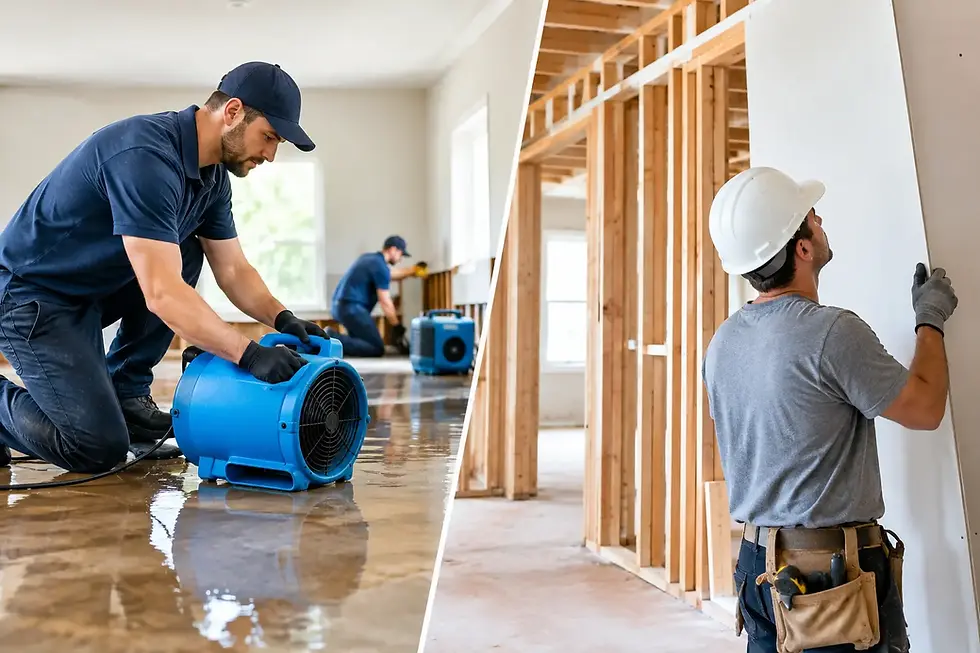
Industrial extraction equipment removes standing water efficiently. Technicians then remove unsalvageable porous materials, often including carpet padding, wet insulation, heavily affected drywall, and certain upholstered or paper-based contents. Nonporous items may be cleanable if they can be thoroughly disinfected and have not been damaged beyond recovery.
3. Clean, sanitize, and dry the structure
After removal and detailed cleaning, restoration teams apply appropriate antimicrobial and disinfecting methods to salvageable structural surfaces. They then use commercial dehumidification and air movement equipment to dry the remaining building materials to appropriate moisture levels.
Drying matters because even a properly sanitized surface can develop mold-related conditions if the structure remains wet. Moisture readings help confirm that the drying process is working and that materials are returning toward normal levels. A clear record of readings, photos, and affected materials also supports a more transparent insurance claim.
4. Restore the space with documented repairs
Once the affected area is clean and dry, repairs can begin. Restoration may involve replacing drywall, insulation, baseboards, flooring, cabinetry components, or finishes. The scope varies significantly: a toilet overflow on a tile floor is not the same as a sewer backup across a carpeted finished basement.
For covered losses, accurate documentation can reduce confusion during the claims process. Detailed estimates, photos, moisture records, and itemized mitigation work help insurers understand what occurred and why specific materials required removal or repair. Coverage depends on the policy, endorsements, cause of loss, and whether sewer backup coverage was included, so property owners should review their policy and speak with their carrier.
Protecting Tenants, Employees, and Customers
Landlords and commercial property owners have added responsibilities during a sewage event. Notify affected tenants, employees, or occupants promptly, provide a safe route around the area if one exists, and restrict access until the site is cleared. In businesses that handle food, provide healthcare services, or serve the public, a sewage event may require temporary closure or coordination with applicable local authorities.
Do not reopen an affected work area simply because the odor has faded or the floor looks dry. Safe reopening depends on the source being corrected, contaminated materials being addressed, the structure being properly dried, and the space being suitable for normal occupancy.
For property managers, document all communications and keep records of the timeline: when the incident was reported, when the source was controlled, when occupants were notified, and when restoration work began. Those records protect both residents and the property owner while making the recovery process easier to manage.
When DIY Cleanup May Be Too Risky
A very limited toilet overflow may sometimes be manageable by a healthy adult if there is no sewage involved, the water is clean, and affected materials are nonporous. Once waste water reaches carpet, drywall, cabinetry, multiple rooms, or HVAC areas, professional help is the safer decision.
Call for professional sewage cleanup when there is visible sewage, an unknown water source, a recurring drain backup, flooding from a main line, contamination in a crawlspace or basement, or damage affecting a commercial property. The same applies when occupants have health vulnerabilities or when you cannot safely identify the source.
Seven Wonders Pro Cleaning provides 24/7 emergency response across Central New Jersey, using certified restoration practices, moisture detection, containment, industrial extraction, and documented mitigation to help return properties to pre-loss condition.
Reduce the Risk of a Future Backup
After cleanup, address the cause rather than treating the event as a one-time inconvenience. Have recurring drain issues evaluated, avoid flushing wipes and other non-flushable products, and consider a plumbing inspection for older properties or buildings with mature tree roots near sewer lines. For some properties, a backwater valve or sump pump upgrade may be appropriate, but a licensed plumbing professional can advise based on the building's specific system.
Keep stored belongings elevated in basements and utility areas, especially paper records, electronics, and soft goods. This does not prevent a backup, but it can significantly reduce the cost and disruption of a future event.
The safest next step after sewage enters a property is simple: isolate the area, protect the people inside, document what you can from a safe distance, and bring in qualified help before contamination has time to spread.


Comments