


Spring Flood Preparedness Guide for Central NJ Homeowners

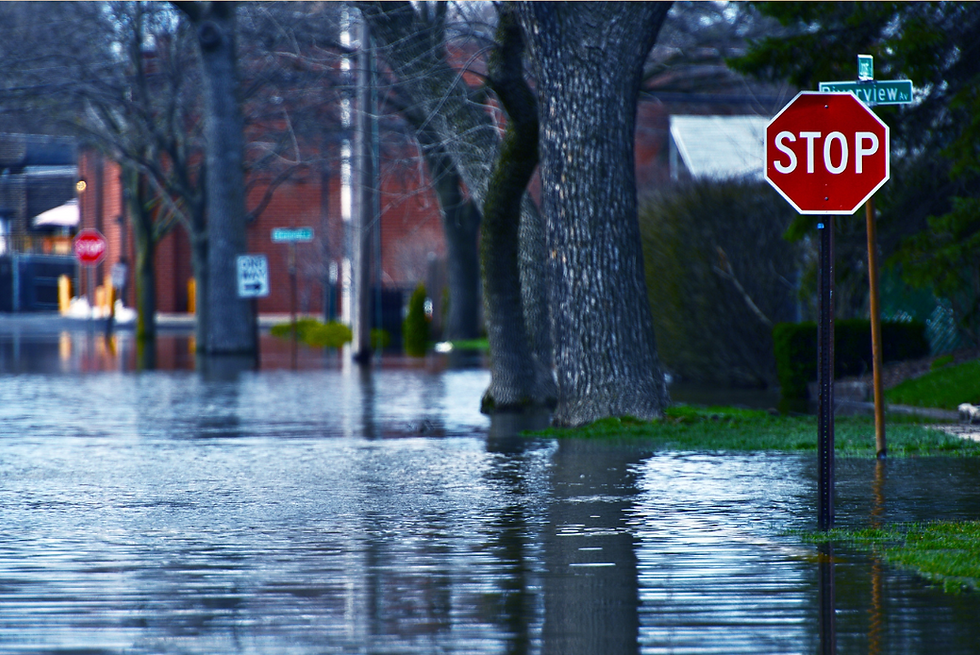
Spring in Central New Jersey is beautiful—but it's also flood season. The combination of snowmelt, saturated ground from winter precipitation, and heavy April and May rainstorms routinely pushes water into basements, crawl spaces, and low-lying properties across Middlesex, Somerset, Mercer, and Monmouth Counties.
Why Central NJ Floods Every Spring
Several geographic factors make this region particularly susceptible:
Raritan River Basin: The Raritan and its tributaries (South River, Millstone River, Lawrence Brook) drain a massive watershed. When upstream snowpack melts rapidly, downstream communities in South Brunswick, Milltown, Bound Brook, and Manville flood.
Clay-heavy soils: Much of Central NJ sits on clay and loam that doesn't drain quickly, causing surface water to pool and seep into foundations.
Older storm infrastructure: Many municipalities have aging combined sewer systems that back up during heavy rain events.
10 Spring Flood Prep Actions to Take Now
1. Inspect and Clean Gutters and Downspouts
Clean out winter debris before the spring rain season. Make sure downspouts direct water at least 6 feet away from your foundation. Consider adding downspout extenders if needed.
2. Test Your Sump Pump
Pour a bucket of water into the sump pit. The pump should activate and discharge water quickly. If it doesn't, replace it before spring—not during a flood. A battery backup sump pump is essential in areas with frequent power outages during storms.
3. Inspect Your Foundation for Cracks
Water always finds the path of least resistance. Walk the perimeter of your foundation and seal any visible cracks with hydraulic cement or epoxy injection before spring rains arrive.
4. Grade Your Lawn Away from the Foundation
The ground around your home should slope away from the foundation at a rate of about 1 inch per foot for the first 6 feet. If your yard has settled and now slopes toward the house, add topsoil and regrade.
5. Install a Backwater Valve
If your home has experienced sewage backflow during heavy rain, a backwater valve on the main sewer line prevents sewage from flowing back into your basement. This is a relatively inexpensive plumbing upgrade with major protective benefits.
6. Move Valuables Off the Basement Floor
Store documents, electronics, and sentimental items on shelving at least 12 inches off the floor—or better yet, on the first floor of your home.
7. Know Your Flood Zone
FEMA flood maps for Middlesex, Somerset, and Monmouth Counties are available at msc.fema.gov. Properties in AE or AO flood zones face statistically significant annual flood risk and should carry flood insurance.
8. Check Your Homeowners Insurance
Standard homeowners insurance does NOT cover flooding. If you don't have a separate flood insurance policy through the NFIP or a private insurer, spring is the time to get one—there's typically a 30-day waiting period before coverage kicks in.
9. Locate Your Electrical Panel and Utilities
Know how to shut off electricity, gas, and water quickly. In a flood, the greatest dangers are often electrical—not the water itself.
10. Create a Flood Emergency Kit
Keep a waterproof container with: insurance documents, prescription medications, phone chargers, a flashlight, and cash. If you need to evacuate quickly, you want this ready.
What to Do If Your Basement Floods
Do not enter standing water if electrical outlets or appliances are submerged.
Shut off electricity at the breaker panel—from a dry location.
Call your insurance company to open a claim before cleanup begins.
Contact a professional water damage restoration company as soon as possible.
Water left standing for more than 24–48 hours creates prime conditions for mold growth. Professional extraction and structural drying dramatically reduces secondary damage and long-term remediation costs.
Seven Wonders Pro Cleaning serves all of Central NJ—including Bound Brook, South Amboy, South Brunswick, Manville, and surrounding areas. For emergency flooding response, call (732) 484-8970 any time, 24/7.
See our Water Damage Restoration and Service Areas pages for more information.


Comments