


Summer Mold Prevention: Keeping Humidity Under Control in NJ Homes


New Jersey summers rank among the most humid on the East Coast. From June through September, relative humidity regularly exceeds 70%—the threshold above which mold colonies can establish and spread rapidly inside homes. For homeowners in Middlesex, Monmouth, and Somerset Counties, the summer months are peak season for mold problems.
Why Summer Is Mold Season in Central NJ
Three conditions are required for mold growth: moisture, organic material (drywall, wood, fabric), and warmth. Summer provides an abundance of all three:
High ambient humidity: Even without a leak, moist outdoor air entering an air-conditioned home creates condensation on cool surfaces.
Air conditioning systems: AC units that aren't properly maintained can accumulate moisture in the drain pan and ductwork, distributing mold spores through every vent in your home.
Poor attic ventilation: Hot, humid air trapped in an attic with inadequate ventilation creates a mold incubator directly above your living space.
8 Steps to Prevent Summer Mold
1. Maintain Indoor Humidity Between 30–50%
Invest in a digital hygrometer (under $15 at any hardware store) and monitor your home's relative humidity. If it regularly exceeds 55%, add a dehumidifier—especially in basements and crawl spaces.
2. Service Your AC System Before Summer
Have an HVAC technician inspect and clean the evaporator coil, condensate drain line, and drain pan each spring. A clogged condensate line is one of the most common causes of water damage and mold in Central NJ homes.
3. Run Exhaust Fans During and After Showers
Bathroom exhaust fans should run during every shower and for at least 15–20 minutes afterward. If your bathroom fan is more than 10 years old, consider upgrading to a humidity-sensing model.
4. Check Attic Ventilation
A properly ventilated attic should have 1 square foot of ventilation per 150 square feet of attic floor space. Blocked soffit vents or an inadequate ridge vent can trap heat and humidity, leading to sheathing mold that you won't discover until a roof replacement.
5. Inspect Window and Door Seals
Condensation forms on poorly sealed windows when indoor AC air meets the warm glass. Check weatherstripping and caulk around all windows and exterior doors annually.
6. Never Carpet Below-Grade Spaces
Basement carpeting is essentially a mold welcome mat. If you finish your basement, use vinyl plank flooring, tile, or rubber mats instead. These materials don't absorb moisture and can be dried if water intrusion occurs.
7. Dry Wet Items Immediately
Leave wet towels or gym clothes in a pile on a humid July day and you'll have visible mold within 48 hours. Always hang wet items to dry promptly.
8. Watch for Early Warning Signs
Mold often gives off a musty odor before it's visible. If a room smells musty—particularly after rain or after the AC has been running—investigate promptly. Early-stage mold is far cheaper to remediate than an established colony.
When to Call a Professional
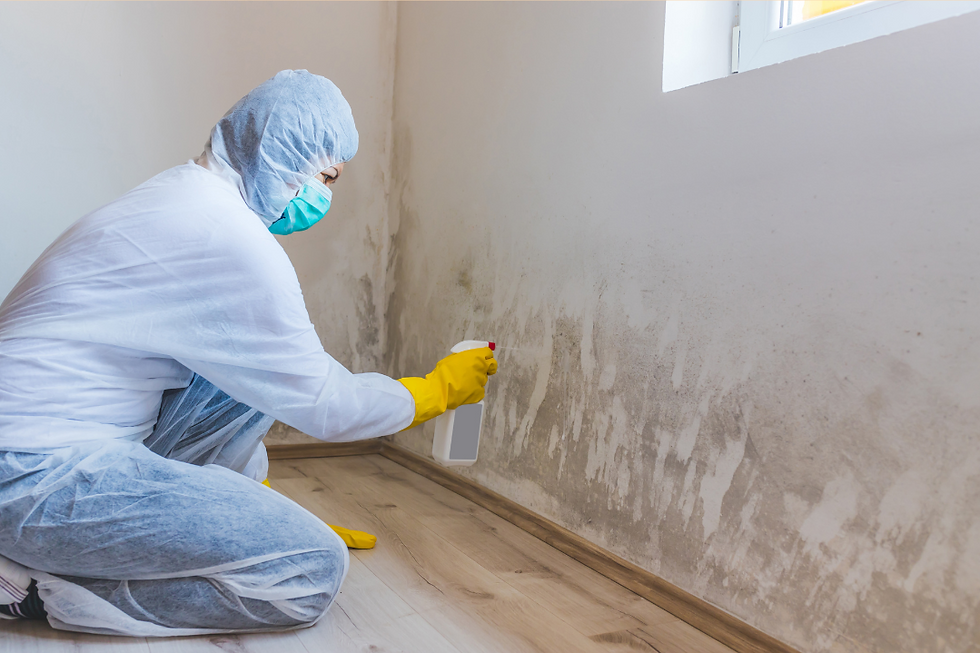
If you see visible mold covering an area larger than a 10×10-inch patch, or if you suspect mold behind walls or in ductwork, don't attempt DIY remediation. Disturbing a mold colony without proper containment spreads spores throughout your home.
Seven Wonders Pro Cleaning works with third-party industrial hygienists to conduct air and surface testing, providing an objective assessment before any remediation work begins. We serve Edison, Woodbridge, Sayreville, Metuchen, and all surrounding Central NJ communities.
Call (732) 484-8970 or request a free estimate today.
Comments