


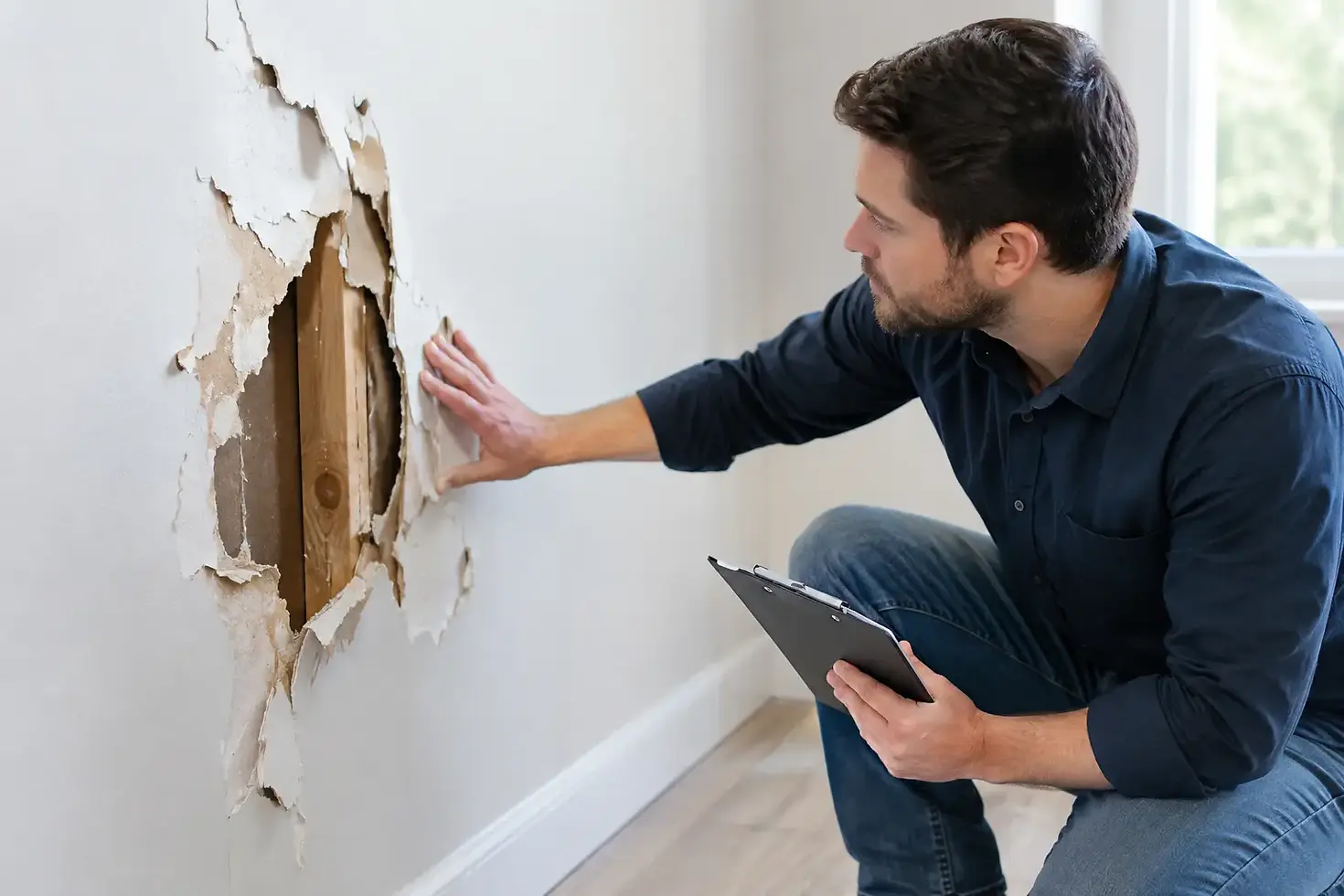
When Should Drywall Be Replaced After Damage?

A stained wall after a plumbing leak can look like a cosmetic problem, but drywall is designed to absorb moisture. Once its gypsum core, paper facing, insulation, or framing behind it has been affected, the decision is no longer just about paint. Knowing when should drywall be replaced helps protect your property from hidden mold, structural deterioration, and repeat repairs.
For Central New Jersey homeowners and property managers, the right answer depends on the source of damage, how long materials stayed wet, and whether the wall can be dried and verified safe. A professional assessment should determine the scope before anyone closes a wall, paints over a stain, or assumes the problem is solved.
When Should Drywall Be Replaced?
Drywall should generally be replaced when it has lost its structural integrity, cannot be thoroughly dried, carries contamination, or supports mold growth. A restoration team evaluates more than the visible surface. Moisture can travel upward through drywall, wick into insulation, and remain trapped behind baseboards, cabinets, and wall coverings.
Replacement is often the safer option after significant water intrusion, sewage exposure, extensive mold growth, fire damage, or physical breakage. In limited cases, drywall can be dried in place and restored. That approach works only when the material is still firm, the water source was clean, the exposure was brief, and moisture readings confirm the wall assembly has returned to an acceptable dry standard.
The key trade-off is straightforward: drying and repairing intact drywall may reduce reconstruction costs and disruption, but saving compromised material can create a much more expensive problem later. Proper mitigation protects the property first, then focuses on restoring it to pre-loss condition.
Water Damage: The Most Common Reason for Replacement
A burst pipe, appliance leak, roof failure, or basement flood can saturate drywall quickly. The paper layers on each side of a drywall panel are especially vulnerable. They can swell, separate from the gypsum core, and become a food source for mold if moisture remains.
Drywall often needs replacement after water damage when it is soft, swollen, sagging, crumbling, or visibly warped. Bubbling paint and peeling tape are also warning signs, although damage may extend farther than the visible stain. If the wall feels soft when pressed, replacement is typically necessary.
Time matters. Clean-water damage that is addressed immediately may allow parts of a wall to be dried with professional air movement, dehumidification, and moisture monitoring. Once water remains for more than 24 to 48 hours, however, microbial growth becomes more likely. That does not mean every damp wall must automatically be demolished, but it does mean the material needs a careful, documented evaluation.
Why baseboards and insulation change the decision
Water frequently collects at the bottom of a wall, where drywall, baseboards, flooring, and insulation meet. Removing a baseboard may reveal wet drywall that was not obvious from the room. If water has wicked up the panel or entered fiberglass insulation, technicians may make a controlled flood cut several inches or feet above the affected area.
This targeted removal allows access for drying, cleaning, and inspection while avoiding unnecessary demolition. It also prevents wet insulation or concealed framing from being sealed behind new finishes.
Replace Drywall After Sewage or Contaminated Water Exposure
Not all water damage carries the same health risk. Water from a sanitary supply line is different from water that has backed up from a drain, overflowed from a toilet, entered from outdoor flooding, or mixed with sewage. Contaminated water can introduce bacteria, viruses, chemicals, and other hazards into porous building materials.
Drywall exposed to sewage or other highly contaminated water should be removed rather than dried and painted. Because drywall is porous, it is difficult to reliably clean and sanitize after this type of exposure. Insulation, carpet padding, fabric materials, and other porous contents may also require removal.
Containment, personal protective equipment, controlled demolition, and detailed cleaning are part of a proper sewage cleanup plan. The goal is not simply to make the room look clean. It is to remove affected materials, prevent contaminants from spreading, and prepare the area for safe reconstruction.
Mold Growth Means the Wall Assembly Needs Attention
Mold on drywall is a clear sign that moisture has been present long enough to support growth. Small, isolated surface growth from condensation may sometimes be addressed after the moisture source is corrected. But visible mold, musty odors, recurring stains, or soft drywall can point to a larger concealed condition.
Drywall should be replaced when mold has penetrated the paper facing, spread across a substantial area, or developed after a leak inside the wall cavity. Simply spraying a surface cleaner or applying stain-blocking paint does not correct contaminated drywall or the moisture condition that caused it.
Professional mold remediation begins by identifying the source. That may be a slow plumbing leak, poor bathroom ventilation, roof intrusion, foundation moisture, or humidity in a poorly conditioned space. Containment helps prevent spores from spreading during removal, and moisture detection tools help identify materials that need attention beyond the visible area.
For landlords and commercial property managers, this documentation is especially valuable. It shows what was found, what materials were removed, and what corrective steps were completed before occupants return to the space.
Fire and Smoke Damage Can Require More Than Cleaning
After a fire, drywall may appear intact while carrying smoke residue, odor, soot, and heat damage. The appropriate response depends on how close the material was to the fire, the type of smoke produced, and whether extinguishing water also saturated the wall.
Drywall should be replaced if it is burned, cracked, deeply stained, water-damaged, or unable to be effectively cleaned and sealed. Smoke can migrate into wall cavities and insulation, so odor control may require selective removal of materials even when the wall surface looks recoverable.
A professional fire restoration assessment separates cleanable surfaces from materials that require removal. This avoids two common mistakes: replacing every wall without need, or leaving behind odor-producing materials that continue to affect the property after cosmetic repairs are complete.
Physical Damage and Age-Related Failure
Not every replacement decision follows a disaster. Large holes, repeated anchor damage, loose or failing joint tape, and extensive cracking can make replacement more practical than patching. A single doorknob hole or small dent can usually be repaired. A wall with multiple patches, broad cracks, or damaged framing behind it may need a more complete solution.
Cracks deserve context. Hairline cracks near doors and windows can result from normal settling, while long diagonal cracks, widening gaps, or recurring cracks can indicate movement that should be evaluated before drywall repair begins. Replacing drywall without correcting the underlying cause only creates a temporary finish.
Older drywall may also have multiple layers of paint, previous water damage, or poor prior repairs. In those cases, targeted replacement can produce a cleaner, more durable result than continuing to patch unstable material.
How Professionals Decide What Can Be Saved
A reliable assessment is based on evidence, not guesswork. Restoration technicians inspect the affected room, locate the source of damage, and compare moisture levels in affected and unaffected building materials. Thermal imaging can help identify temperature differences associated with possible moisture, while moisture meters confirm whether drywall and framing are actually wet.
The restoration plan should identify which materials can be dried, which must be removed, and how the area will be monitored before reconstruction. Photos, measurements, and detailed records also support insurance claims by showing the cause, scope, mitigation work, and required repairs.
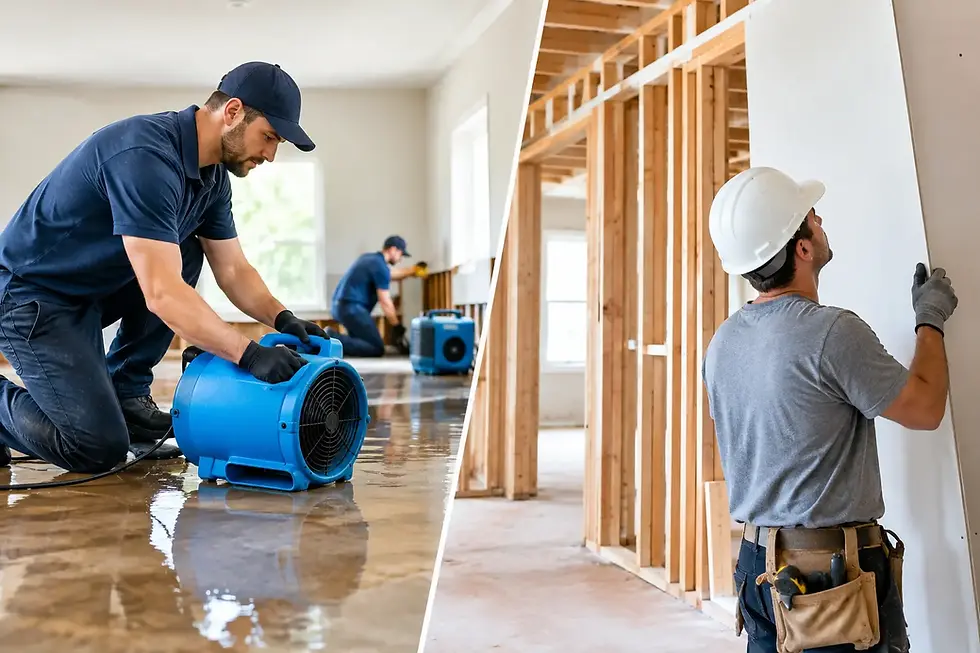
Seven Wonders Pro Cleaning uses this disciplined process to help Central New Jersey property owners move from emergency mitigation through drying, documentation, and reconstruction-related work without losing visibility into what is happening in their property.
What to Do Before Repairs Begin
If drywall has been damaged, stop the source of water if it is safe to do so. Move contents away from the affected area, avoid using electrical fixtures near standing water, and do not puncture bulging ceilings or walls yourself. A water-filled ceiling can collapse unexpectedly, and opening a wall without containment can spread mold or contaminated debris.
Take clear photos of the affected rooms and damaged belongings before cleanup changes the scene. Then arrange for a professional inspection as quickly as possible. Early extraction, drying, and moisture monitoring can limit damage, while delayed action can turn a manageable repair into a larger demolition and mold remediation project.
A wall that looks dry is not always dry inside. When damage involves water, sewage, smoke, or mold, the most protective decision is to verify the condition of the full wall assembly before repairs cover the evidence.


Comments