



Choosing Licensed Restoration Contractors Well

A pipe burst at 2 a.m. does not leave much room for research. Neither does a kitchen fire, sewage backup, or wind-driven roof leak. But the contractor you allow into your property in the first hours can affect the safety of the cleanup, the strength of your insurance claim, and the condition of your home or business months from now.
Choosing licensed restoration contractors means looking beyond the first company that answers the phone. The right team should control the immediate damage, document what happened, explain the next steps, and complete work to the standards your property and insurer require. Fast action matters, but so does knowing who is taking responsibility for the work.
Why licensing is more than a checkbox
A New Jersey contractor license is a basic sign that a company is operating legitimately and can perform work within the proper legal and professional framework. It is not a guarantee that every job will be flawless, but it gives property owners an essential layer of accountability.
Restoration often crosses into multiple trades. Water damage may require demolition, structural drying, plumbing repairs, flooring replacement, drywall work, and electrical evaluation. Fire damage can involve board-up services, smoke cleanup, odor treatment, reconstruction, and coordination with specialists. A contractor who is licensed and properly insured is better positioned to manage that scope without leaving you to piece together separate vendors after the emergency has passed.
Licensing also matters when a project requires permits or code-compliant rebuilding. A fast cleanup is only one part of recovery. If damaged materials must be removed and rebuilt, the completed work needs to protect the property long after the drying equipment is gone.
Verify the credentials that protect your property
A restoration company should be able to discuss its qualifications plainly. If the answers feel vague, rushed, or defensive, treat that as useful information. You are not being difficult by asking questions. You are protecting an asset that may be one of the largest investments you own.
Start by confirming that the contractor holds the appropriate New Jersey licensing and carries current liability insurance and workers' compensation coverage. Ask for proof rather than accepting a verbal assurance. Insurance coverage is especially important because restoration work can involve wet structures, contaminated materials, demolition, heavy equipment, and occupied spaces.
Then ask about restoration-specific training. General contracting experience is valuable, but water, fire, sewage, and mold losses require specialized methods. IICRC-certified technicians are trained in recognized standards for areas such as water damage restoration, applied structural drying, fire and smoke restoration, and microbial remediation. That training supports decisions about moisture measurement, containment, drying targets, material removal, and cleaning procedures.
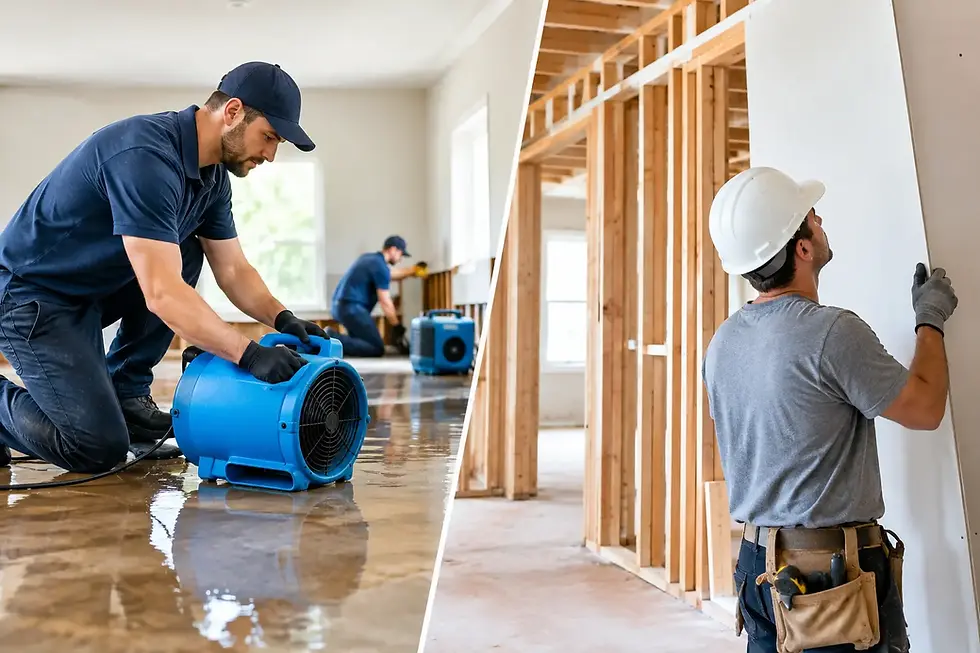
The equipment a company uses also reveals whether it can diagnose and control hidden damage. Moisture meters, thermal imaging, industrial extractors, air movers, dehumidifiers, air scrubbers, and containment systems are not decorative additions. They help technicians identify conditions that are not visible from the surface and document whether drying or remediation is progressing correctly.
Ask who will perform the work
Some companies sell the job, then hand the work to unfamiliar subcontractors. Subcontracting is not automatically a problem, particularly when a specialized trade is needed. The concern is whether anyone clearly owns quality control, scheduling, safety, and communication.
Ask who will be on site, whether the crews are employees or subcontractors, and who your day-to-day contact will be. A dependable restoration contractor can explain how supervision works and who is responsible if the scope changes. You should not have to chase multiple parties for basic updates while your property is disrupted.
Choosing licensed restoration contractors after water damage
Water moves quickly through flooring, wall cavities, insulation, and subfloors. A visible puddle may be only a small part of the loss. That is why a contractor's first response should involve more than removing standing water.
A qualified team should assess the source of the water, identify affected materials, measure moisture, and establish a drying plan. Clean water from a supply line creates different safety and cleanup decisions than a sewage backup or stormwater intrusion. The category of water, the time materials remained wet, and the construction of the building all influence what can be dried, cleaned, or must be removed.
Be cautious if a company promises that every material can be saved before testing moisture levels or examining the extent of contamination. The opposite is also true: do not accept broad demolition recommendations without a documented reason. Precision restoration means removing what cannot be safely restored while protecting materials that can be dried and preserved.
For commercial properties, ask how the contractor will limit operational disruption. Containment, phased work, after-hours service, and clear drying schedules may help a business remain partially open. The right approach depends on the building's use, the affected areas, health and safety risks, and your ability to relocate operations temporarily.
Documentation is part of the restoration work
After a loss, insurance paperwork can feel like a second emergency. Your contractor cannot make coverage decisions for your insurer, but thorough documentation can make the claims process clearer and reduce avoidable disputes over the work performed.
Look for a company that records conditions before mitigation begins, tracks equipment placement and daily moisture readings, photographs affected areas, and provides a clear scope of work. Xactimate-based estimates are commonly used in property insurance claims and can help organize pricing in a format carriers recognize.
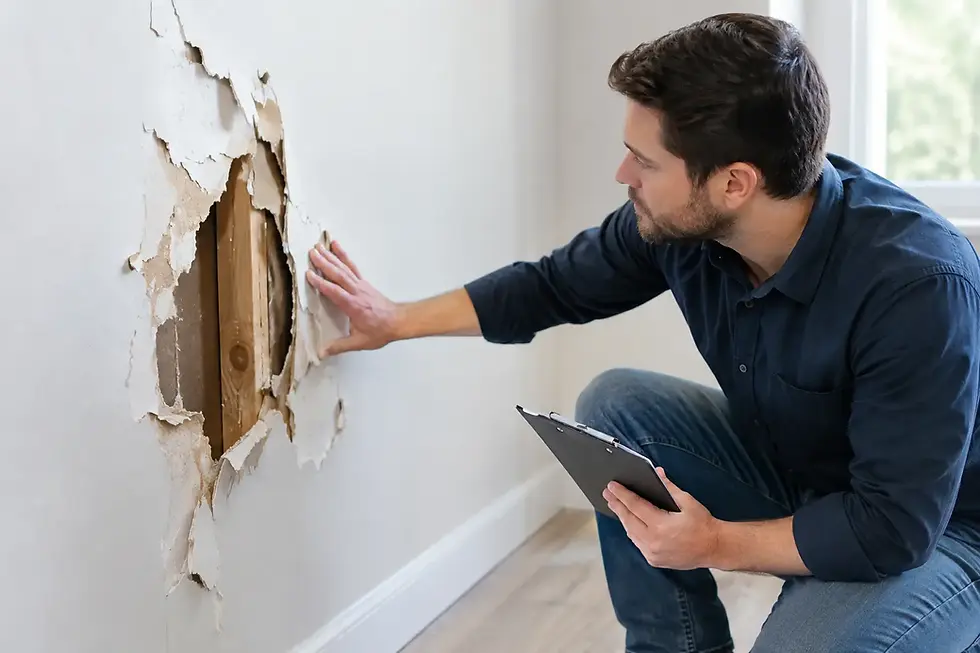
This documentation matters for your own records as well. If hidden damage is discovered after walls or flooring are opened, the contractor should show you what changed and why. You deserve a revised scope that connects the new work to an observed condition, not a surprise invoice with no explanation.
Do not confuse insurance coordination with a promise that every item will be paid. Coverage depends on your policy, deductible, exclusions, cause of loss, and the insurer's review. A reputable contractor explains that distinction while helping you provide complete information to the adjuster.
Compare scope, communication, and response time
Price deserves attention, especially when a property loss creates unexpected expenses. Still, the lowest estimate can become costly if it leaves out drying verification, contamination controls, reconstruction details, permit requirements, or project management.
When comparing contractors, review what each proposal actually includes. Are emergency extraction, demolition, antimicrobial treatment, equipment monitoring, cleaning, and repairs clearly separated? Does the estimate identify assumptions and exclusions? Is there a process for approving changes if the crew finds hidden damage?
Response time should be equally clear. Ask whether the company provides true 24/7 emergency response, how quickly it can arrive in your Central New Jersey location, and what work it can begin immediately. During a water event, even a few hours can affect the amount of material that needs replacement. During a fire or storm loss, prompt board-up and weather protection can prevent further damage and unauthorized entry.
Communication is often the difference between a difficult restoration and a manageable one. You should know what will happen first, what equipment will remain on site, how long the initial mitigation may take, and when you can expect updates. For landlords and property managers, that clarity is essential for communicating with tenants, owners, and business occupants.
Warning signs to take seriously
Pressure tactics are a concern after any widespread storm or neighborhood emergency. Be wary of a company that appears uninvited, demands a large cash payment before explaining the scope, discourages you from contacting your insurer, or asks you to sign documents you have not had time to read.
Other warning signs include an inability to provide license or insurance information, no written estimate, no moisture documentation on a drying job, and guarantees that sound too absolute. Restoration conditions can change once technicians access concealed areas. A professional company sets expectations honestly and documents the reason for any change.
Also pay attention to cleanup standards. Crews should protect unaffected areas, control dust and contaminants where needed, and leave the site organized. Restoration is disruptive by nature, but carelessness should never be presented as normal.
A better standard for recovery
The best contractor is not simply the one with a truck, fans, and an available crew. It is the partner that can assess the loss accurately, protect occupants, stabilize the structure, support proper claim documentation, and carry the work through toward pre-loss condition.
For Central New Jersey property owners, Seven Wonders Pro Cleaning brings that discipline to emergency mitigation and restoration with licensed and insured contractor credentials, IICRC-certified technicians, documented drying methods, and direct insurance coordination. When damage occurs, ask direct questions, verify the answers, and choose a team prepared to protect both your property and your peace of mind.

Comments