



Mitigation Versus Reconstruction Services

A burst pipe at 2 a.m. can soak flooring, insulation, drywall, and belongings long before the visible puddle tells the full story. After a fire, smoke can travel through rooms that never burned. These are the moments when understanding mitigation versus reconstruction services helps property owners make safer, faster decisions and avoid work that has to be redone later.
Mitigation stops damage from getting worse. Reconstruction repairs or replaces what the loss damaged after the site is stable. Both are necessary in many restoration projects, but they solve different problems and happen in a deliberate order. For Central New Jersey homeowners, landlords, and facility managers, knowing the difference makes it easier to protect the property, communicate with an insurer, and plan for a complete recovery.
What Property Mitigation Services Do First
Mitigation is the emergency response phase. Its purpose is to control active hazards, prevent secondary damage, document conditions, and preserve as much of the structure and contents as possible.
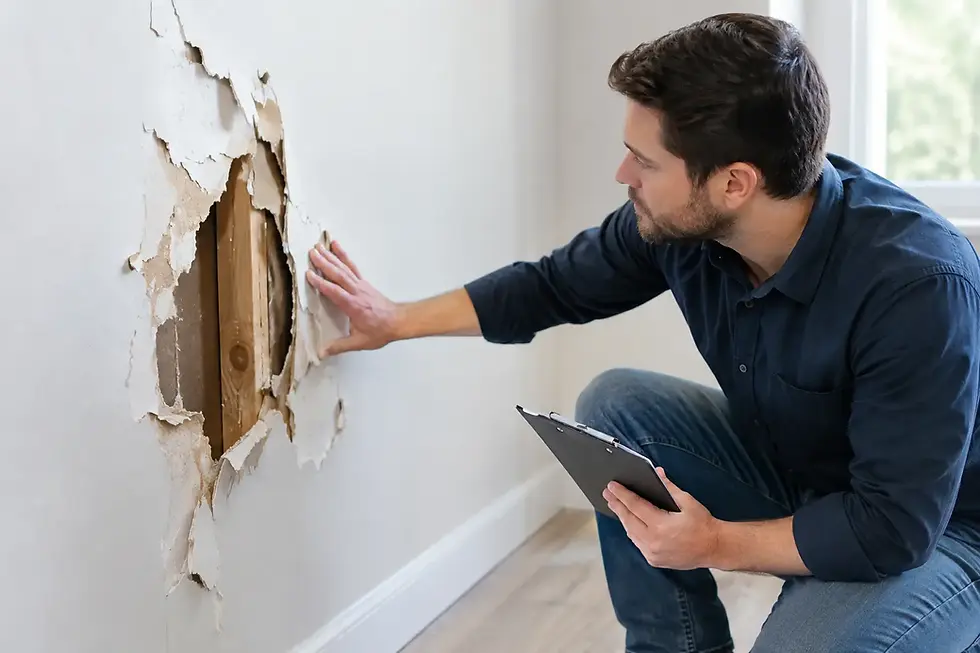
With water damage, that may mean shutting off the source, extracting standing water, removing wet materials that cannot be saved, and placing industrial air movers and dehumidifiers for structural drying. Technicians use moisture meters and thermal imaging to find water behind walls, beneath flooring, or inside ceiling assemblies. Drying only what can be seen is not enough. Hidden moisture can lead to warped materials, odors, and mold growth after the apparent emergency has passed.
For fire and smoke damage, mitigation can include emergency board-up, roof tarping, debris removal, odor-control measures, soot cleanup, and containment to limit cross-contamination. After a storm, the focus may be on securing openings, removing water, and preventing further rain intrusion. Sewage cleanup requires a more controlled approach because contaminated water can expose occupants to harmful bacteria and pathogens. The affected area may need isolation, removal of porous materials, detailed cleaning, and sanitation before repairs begin.
Mitigation is not cosmetic cleanup. It is a technical process designed to stabilize the loss and establish safe conditions for the next stage of work.
Why Speed Matters, but Assessment Still Comes First
Fast response matters because moisture, contamination, and smoke residue become harder to manage over time. Yet speed should not mean guessing. A qualified restoration team assesses the scope of loss before deciding which materials can be dried, cleaned, removed, or protected.
For example, a small supply-line leak caught quickly may allow hardwood flooring and drywall to be dried in place. A prolonged appliance leak that has saturated subflooring and wall cavities may require selective demolition before reconstruction can begin. The right decision depends on the water source, duration of exposure, material type, contamination level, and moisture readings, not just how the room looks.
Mitigation Versus Reconstruction Services: The Core Difference
The clearest distinction is simple: mitigation preserves and stabilizes, while reconstruction rebuilds.
Reconstruction begins when the source of damage is controlled, affected materials have been properly dried or removed, cleaning and remediation requirements are complete, and the scope of repairs is understood. This phase returns the property to pre-loss condition through skilled repair and finish work.
Depending on the damage, reconstruction may include replacing drywall and insulation, repairing framing, installing flooring, painting, rebuilding cabinets, restoring trim, replacing tile, completing electrical or plumbing repairs, and repairing roofing or exterior finishes. A fire loss may require more extensive rebuilding than a clean-water leak. A mold project may involve rebuilding a limited wall section after containment and remediation are complete.
The phases can overlap in planning, but they should not overlap recklessly in the field. Installing new flooring before the subfloor reaches acceptable moisture levels creates a risk of failure. Closing a wall before a remediation area has been cleared can trap moisture or contamination. The strongest restoration plans move from emergency control to verified drying or cleaning, then into repair with clear documentation at each step.
Reconstruction Is More Than Replacing What Was Removed
Property owners sometimes assume reconstruction means putting back the same materials in the same way. In many cases, that is the goal. But practical decisions can arise during the repair phase.
A discontinued tile, aging cabinet line, or unavailable flooring product may make an exact match difficult. Building code updates may affect electrical, insulation, or safety requirements. A landlord may need durable finishes for a rental unit, while a homeowner may choose an upgrade that improves daily use. These choices can affect cost, timeline, and insurance coverage, so they should be discussed early and documented clearly.
Restoration work should separate covered loss repairs from elective upgrades whenever possible. That helps prevent confusion when reviewing estimates and keeps the project moving without delaying necessary work.
How Documentation Connects Both Phases
Accurate documentation is what turns a complicated loss into a manageable project. During mitigation, technicians should record the initial condition, affected areas, equipment placement, moisture readings, demolition decisions, and progress toward drying goals. Photos, notes, and detailed records establish why emergency work was needed.
During reconstruction, the repair scope should identify the damaged building components and the work required to return them to functional condition. Xactimate-based documentation can help organize line items in a format commonly used across the insurance industry. It does not guarantee coverage, but it gives the carrier and property owner a clearer record to review.
Insurance claims often involve separate decisions about emergency services, tear-out, repairs, depreciation, deductibles, and supplements for conditions found after work begins. A restoration contractor can provide evidence and communicate with the carrier, while the insurer makes coverage determinations. Property owners should keep their own claim number, adjuster contact information, photos, receipts, and copies of all estimates.
What a Well-Managed Restoration Process Looks Like
A complete restoration project should feel organized even when the loss itself is disruptive. The process generally begins with emergency contact and immediate protection of the property. Next comes a detailed damage assessment using moisture-detection tools, visual inspection, and safety evaluation.
The mitigation plan then identifies what must happen immediately: extraction, drying, containment, sanitation, debris removal, board-up, or other protective measures. Once drying, cleaning, or remediation is complete, the reconstruction scope can be finalized with measurements, material selections, repair sequencing, and insurance documentation.
Communication matters throughout. Property owners should know what work is happening, why it is necessary, what areas are off-limits, and what the next decision point will be. Commercial property managers may also need a plan that considers tenant access, operating hours, occupant safety, and business interruption.
Seven Wonders Pro Cleaning brings those stages together with 24/7 emergency response, IICRC-certified restoration practices, moisture-focused assessment, and reconstruction capabilities that help reduce handoffs between separate vendors.
When You May Need One Service or Both
Not every incident requires a full reconstruction project. A minor water event may be resolved through extraction and structural drying with no material replacement. Smoke odor in a lightly affected area may require specialized cleaning and odor treatment, not rebuilding. On the other hand, a pipe break that damages ceilings across multiple rooms may require both immediate mitigation and extensive repairs.
The same is true for mold. Surface-level mold caused by a small, corrected humidity issue may have a limited scope. Mold tied to an ongoing plumbing leak or water intrusion requires correcting the moisture source first, performing proper containment and removal, then rebuilding affected materials. Reconstruction without resolving the underlying cause is not restoration. It is a temporary cover-up.
Questions to Ask Before Reconstruction Starts
Before authorizing repairs, ask whether the water source or cause of damage has been corrected, whether drying or remediation has been documented as complete, and whether the repair estimate separates emergency work from reconstruction. Ask which materials are being replaced, whether code-related work may apply, and how changes discovered behind walls will be handled.
You should also ask who will coordinate the project and how often you will receive updates. A clear answer protects your schedule, your budget, and your ability to make informed choices when conditions change.
After a property loss, the goal is not simply to make the space look normal again. It is to make sure the building is dry, clean, safe, properly repaired, and ready to serve its purpose without hiding the damage that caused the disruption in the first place.


Comments