



Mold Remediation Clearance Guide for Property Owners

A mold project is not complete just because the visible staining is gone. This mold remediation clearance guide explains what property owners should expect after cleanup: a careful review of the work area, confirmation that moisture has been controlled, and documentation that supports a safe return to normal use.
For a homeowner, landlord, or facility manager in Central New Jersey, clearance is the point where the restoration process must prove its result. It protects occupants, helps prevent a repeat problem, and gives you a clearer record for insurers, tenants, buyers, or future contractors. A rushed sign-off can leave hidden moisture, dust, or unfinished repairs behind.
What Mold Remediation Clearance Actually Means
Clearance is a post-remediation evaluation performed after containment, removal, cleaning, and drying are complete. Its purpose is not to promise that a building contains zero mold spores. Mold exists naturally outdoors and can enter any property. The goal is to confirm that the affected area has been properly remediated, is clean and dry, and does not show conditions that support ongoing growth.
A strong clearance process usually considers three questions: Has the moisture source been corrected? Has contaminated material been removed or cleaned appropriately? Does the remediated space meet the project’s visual, moisture, and, when appropriate, air or surface sampling criteria?
The answer depends on the scope of the loss. A small area of surface growth caused by a one-time plumbing drip may need a simpler review than contamination following a sewage backup, long-term roof leak, flooded basement, or widespread HVAC issue. Occupied commercial buildings, rental properties, homes with medically sensitive occupants, and insurance claims often benefit from more formal third-party clearance documentation.
Why Clearance Should Be Separate From the Cleanup Decision
The company performing remediation should document its work, explain what was removed, and show that drying and cleaning steps were completed. For added accountability, many projects use an independent indoor environmental professional or qualified assessor to establish the clearance criteria and conduct final verification.
That separation can reduce conflicts over whether the work passed. It is especially useful when there is a disputed insurance claim, a large containment area, repeated mold concerns, or a landlord-tenant issue. The assessor can compare final conditions against the written remediation plan rather than relying on a quick visual impression alone.
Not every property requires laboratory testing. Sampling has limits, and a test result without a visual inspection or moisture assessment can be misleading. A clean-looking room with wet framing is not a successful remediation. Conversely, an isolated air sample does not automatically identify the location or cause of a problem. Clearance decisions should combine evidence, not depend on one number.
The Mold Remediation Clearance Guide: What Inspectors Check
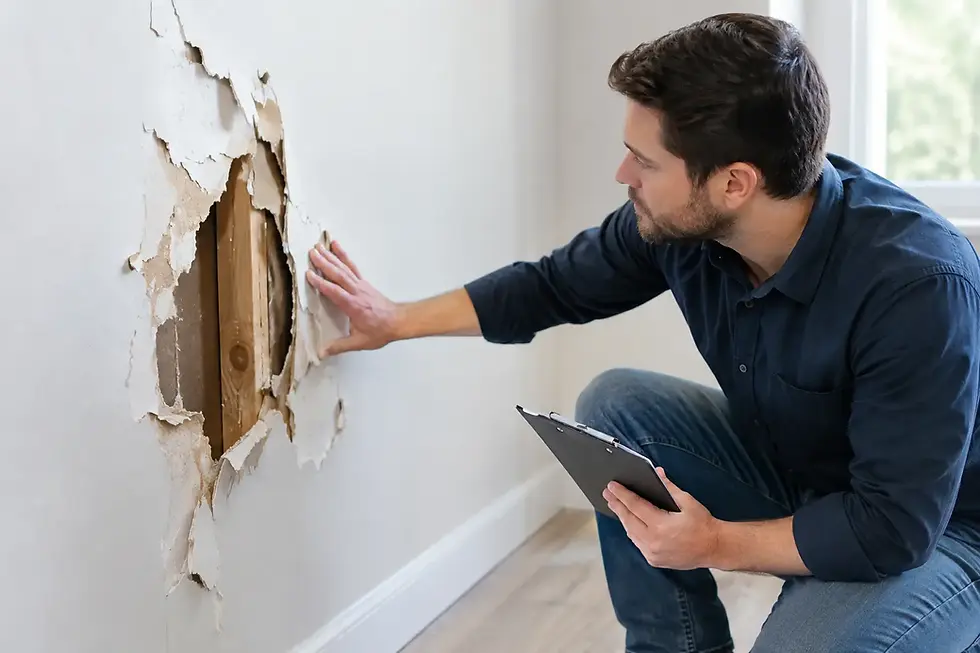
A proper clearance review starts with the conditions that caused the mold. If water is still entering through a foundation crack, roof opening, failed supply line, or condensation-prone duct, the remediation cannot hold. Technicians should verify that repairs have been made or that the property owner has a documented plan to complete them before the space is closed.
Visual condition and containment removal
The evaluator will inspect the work area for visible growth, dust, debris, damaged materials, and incomplete cleaning. Porous materials that could not be effectively cleaned, such as heavily affected drywall, insulation, carpet padding, or ceiling tile, should have been removed and disposed of according to the work plan.
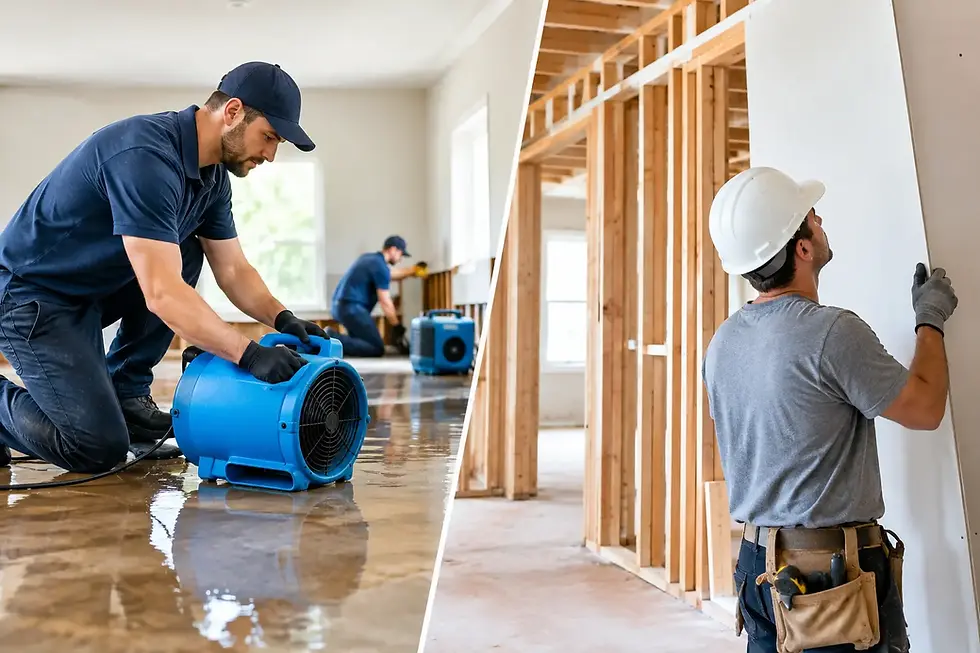
They will also look at adjacent rooms and contents. Containment barriers should remain in place until cleaning is complete, then be removed carefully so settled debris is not released into occupied areas. HEPA vacuuming and damp wiping are often part of the final cleaning process, particularly after demolition or removal work.
Moisture readings and drying confirmation
Moisture control is the foundation of clearance. Restoration teams use moisture meters, thermal imaging, hygrometers, and other diagnostic tools to identify damp materials and conditions that may not be visible from the room. Drying targets should be based on comparable unaffected materials and the building’s normal conditions, not guesswork.
The final documentation may include moisture readings for framing, subfloors, drywall, or other affected assemblies, along with humidity conditions in the space. If readings remain elevated, closing walls or reinstalling finishes too soon can trap moisture and create another mold problem behind the repair.
Air or surface sampling when the project calls for it
Air sampling may compare indoor spore levels and types with an outdoor control sample. Surface sampling may be used in limited situations to investigate suspected residue or evaluate a specific material. These methods require sound interpretation. Outdoor conditions, timing, cleaning activity, and the type of sample can influence results.
When testing is part of the clearance plan, the laboratory report should be reviewed with the inspection findings, not treated as a pass-fail document by itself. The most meaningful result is one that aligns with a clean, dry, visually satisfactory work area and no remaining moisture source.
Documents You Should Receive Before Final Repairs
Clearance is easier to verify when the project has been documented from the beginning. Keep copies of the initial inspection findings, photos of affected areas, moisture maps or readings, the remediation scope, and records of equipment use. If materials were removed, the file should explain what was removed and why.
At the end of the work, request the final invoice, drying records, cleaning documentation, and any clearance report or laboratory results. For insurance claims, detailed records can help support the extent of damage and distinguish emergency mitigation from reconstruction work. For commercial owners and property managers, these records also support maintenance planning and communication with tenants.
If reconstruction follows remediation, make sure everyone understands the handoff point. Clearance confirms the remediated area is ready for rebuild. It does not automatically mean the property has been restored to its pre-loss appearance. Drywall, insulation, flooring, trim, paint, cabinetry, or electrical components may still need professional repair or replacement.
Questions to Ask Before You Approve the Work
Before signing off, ask what caused the moisture, how that source was corrected, and whether any building materials remain wet. Ask whether a third-party clearance evaluation is recommended for your scope of loss and whether testing was included in the original plan or would be an added service.
You should also ask whether containment was removed only after final cleaning, what materials were discarded, and what documentation will be provided. If the property will be sold, rented, reopened to employees, or occupied by someone with respiratory concerns, explain that early. Those circumstances may affect the level of documentation and verification that makes sense.
Be cautious of any provider who guarantees clearance without inspecting the completed work or who relies solely on a single air sample. Mold remediation is a controlled process, not a cosmetic cleaning service. The work must address contamination and the moisture conditions that allowed it to grow.
When a Failed Clearance Is Good News
A failed clearance can feel frustrating, particularly when repairs are waiting and insurance timelines are tight. But it is often the best opportunity to correct a problem before finishes are reinstalled or occupants return. The cause may be simple: an overlooked damp area, dust left on a ledge, a missed section of insulation, or humidity that has not yet stabilized.
The right response is to identify the deficiency, perform the necessary recleaning or drying, and repeat the evaluation. Do not accept pressure to close the project while evidence shows the area is not ready. A short delay is usually far less disruptive than opening newly repaired walls months later.
For Central New Jersey property owners, Seven Wonders Pro Cleaning approaches mold recovery as part of a complete restoration plan: assess the moisture damage, document the work, complete controlled remediation, and prepare the property for a responsible return to service. When the final review is handled with the same discipline as the emergency response, you can move forward with greater confidence that the problem was addressed at its source.

Comments