


10 Best Ways to Prevent Pipe Bursts This Winter

A pipe can freeze quietly behind a wall, above a ceiling, or beneath a sink while everything in the property appears normal. Then temperatures rise, the ice thaws, and water begins pouring into finished rooms, insulation, electrical areas, inventory, or tenant spaces. The best ways to prevent pipe bursts are practical, but they need to be handled before a hard freeze turns a small vulnerability into a water damage emergency.
For Central New Jersey homeowners, landlords, and facility managers, prevention means protecting both exposed plumbing and the building conditions around it. Cold weather is only part of the problem. Air leaks, poor insulation, vacant properties, delayed maintenance, and an unmonitored water supply can all increase the risk.
Why Pipes Burst During Freezing Weather
Water expands as it freezes. If ice forms inside a pipe, it can create a blockage that raises pressure in the line. The pipe may crack at the frozen section, but it can also rupture elsewhere where pressure finds a weak point.
Pipes in exterior walls, crawl spaces, attics, garages, basements, utility rooms, and cabinets along outside walls face the highest risk. Copper, PVC, and other plumbing materials can all fail under the wrong conditions. Older pipes, corroded fittings, and poorly supported lines deserve particular attention.
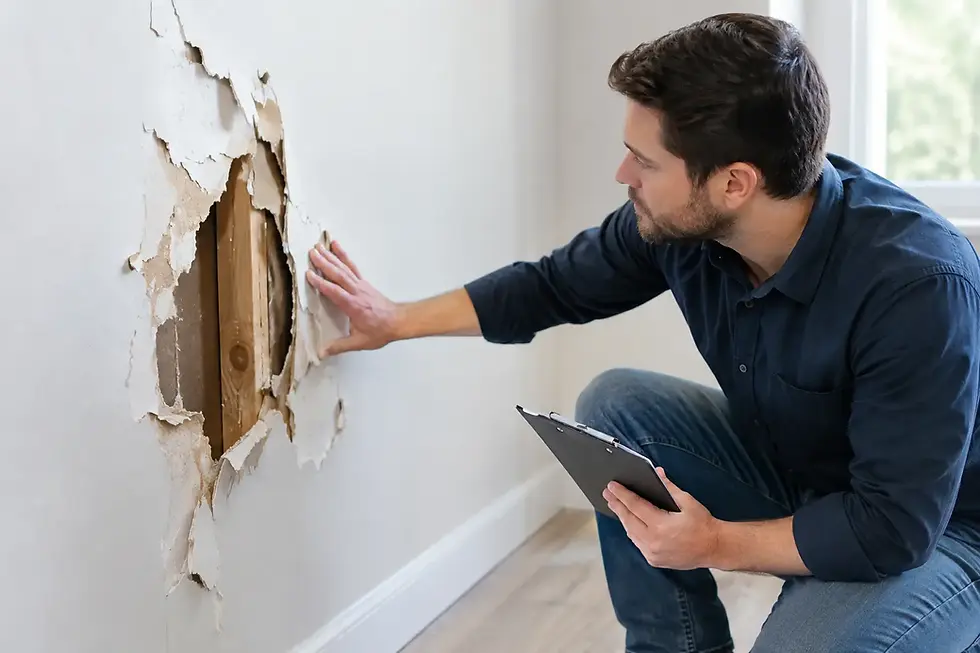
A burst pipe is not always obvious right away. A slow release behind drywall can saturate framing, flooring, and insulation before it is discovered. That is why prevention should focus on keeping pipes above freezing, maintaining water flow when necessary, and making it easy to stop the water quickly if a failure occurs.
The Best Ways to Prevent Pipe Bursts Before a Freeze
1. Insulate vulnerable pipes
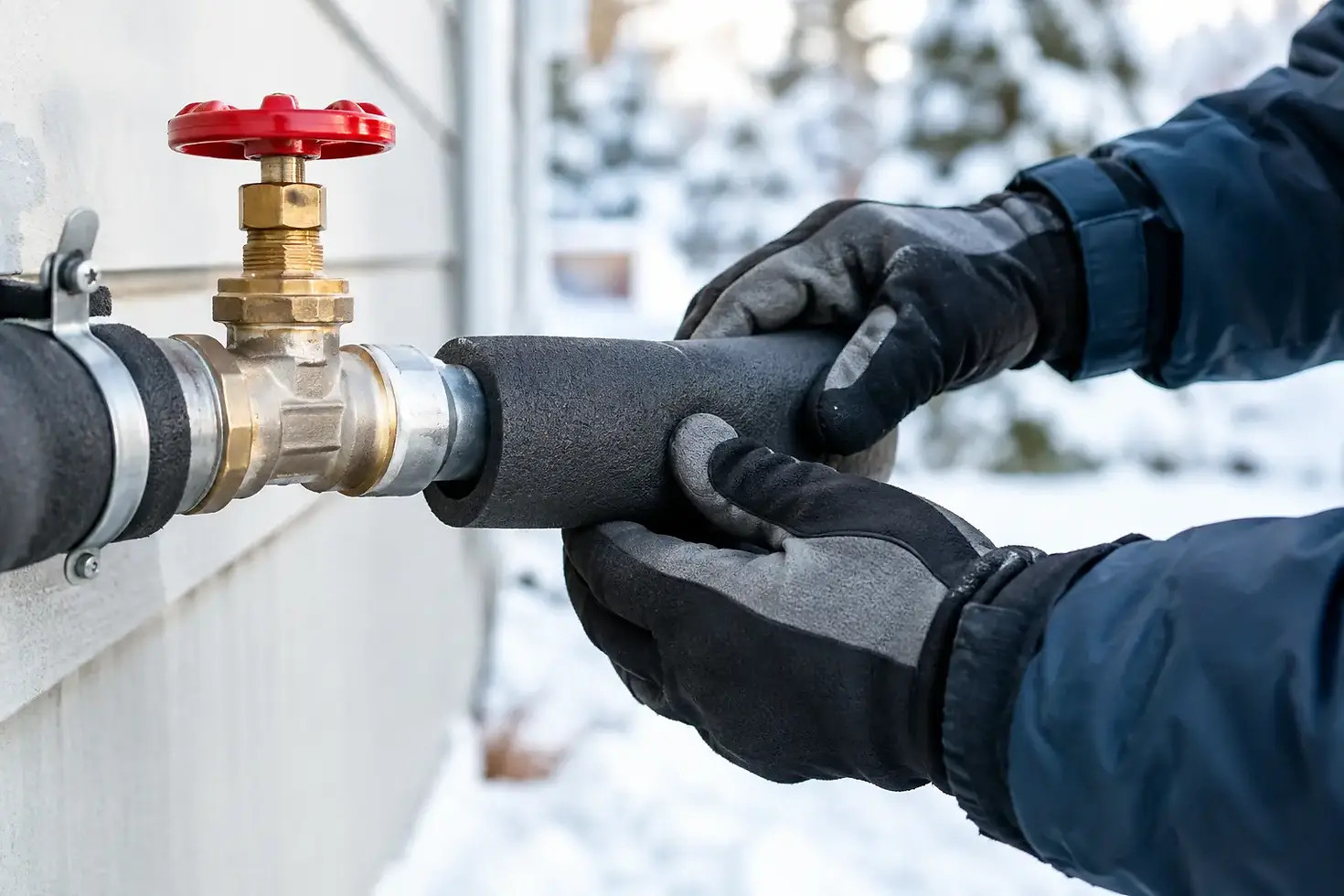
Start with pipes in unheated or partially heated spaces. Foam pipe sleeves and insulated wraps help slow heat loss around water supply lines, particularly near exterior walls and in basements, crawl spaces, garages, and attics.
Insulation is not a substitute for heat. It buys time during cold weather and reduces exposure to brief temperature drops, but a pipe in a freezing space can still freeze if conditions persist. Pay close attention to elbows, joints, and sections near foundation openings, where cold air often enters.
2. Seal drafts around plumbing penetrations
A small gap where a pipe passes through an exterior wall can send freezing air directly onto the line. Inspect areas under sinks, around dryer vents, near sill plates, inside utility rooms, and where plumbing enters the building. Seal accessible gaps with appropriate caulk, weatherstripping, or insulation materials.
This step can also reduce heating loss throughout the property. For commercial properties and multifamily buildings, inspect service corridors, mechanical rooms, loading areas, and vacant suites. These spaces may be colder than occupied rooms even when the central heating system is operating normally.
3. Keep the heat on, including when you are away
Never turn the heat off in a property during winter. For most occupied homes, maintaining an indoor temperature of at least 55 degrees Fahrenheit is a reasonable baseline when no one is present. Properties with known cold spots, older construction, exposed plumbing, or poorly insulated areas may require a higher setting.
Open interior doors so warm air can circulate. In kitchens and bathrooms with plumbing located on exterior walls, open cabinet doors during severe cold to allow conditioned air to reach the pipes. Keep cleaning products, medications, and other hazardous materials secured and out of reach if cabinets are left open.
For landlords and property managers, confirm that tenants understand thermostat requirements and know who to contact if heat fails. A tenant lowering the thermostat before a weekend away can create a major loss for multiple units.
4. Let faucets drip during prolonged extreme cold
During a deep freeze, allowing a vulnerable faucet to drip slightly can reduce the chance of freezing by keeping water moving through the line. Use this approach for fixtures served by pipes in exterior walls or unheated areas.
A drip will increase water use slightly, but it is a minor cost compared with structural drying, demolition, repairs, and business interruption after a burst pipe. It is not necessary for every faucet in every home. Focus on locations with a history of freezing, poor insulation, or clear exposure to outdoor temperatures.
5. Disconnect and drain outdoor water connections
Remove garden hoses before freezing weather arrives. Shut off the interior valve feeding exterior spigots if the plumbing configuration allows it, then open the outdoor faucet to drain remaining water. A connected hose can trap water and contribute to freezing inside the spigot or supply pipe.
If your property has irrigation equipment, outdoor kitchens, pool plumbing, or other seasonal water systems, winterization should be completed according to the equipment manufacturer's requirements. These systems often have separate valves and low-point drains that are easy to overlook.
6. Know where the main water shutoff valve is
Every responsible property owner should know the location of the main water shutoff valve and confirm that it works. In a burst-pipe event, minutes matter. Shutting off the water can limit damage while emergency restoration professionals assess the loss.
The valve may be near the water meter, in a basement, utility room, crawl space, mechanical closet, or along an exterior wall. Label it clearly. In commercial properties, make sure designated staff, building engineers, and after-hours contacts know its location as well.
If the valve is difficult to turn, corroded, inaccessible, or leaking, schedule plumbing service before winter. A shutoff valve that fails during an emergency creates unnecessary exposure.
7. Protect vacant homes, units, and seasonal buildings
Vacant properties require a more deliberate plan because no one may be present to notice a temperature drop, plumbing leak, or heating failure. If the building will be unoccupied for an extended period, consider having a qualified plumber shut off and drain the water system. This option depends on the property, its heating arrangement, fire-suppression needs, and whether winter occupancy is expected.
If water remains on, maintain heat, inspect the property regularly, and use temperature or leak-monitoring devices that can alert a responsible person. Do not rely solely on a smart device. A sensor is helpful only if someone can respond quickly when it sends an alert.
8. Service heating systems before cold weather arrives
A furnace or boiler failure can put plumbing at risk in a matter of hours during severe weather. Arrange seasonal maintenance, replace filters as recommended, keep fuel supplies adequate, and address uneven heating before the coldest period of the year.
Portable space heaters should not be treated as a primary freeze-protection plan. They can create fire hazards, require constant supervision, and may not adequately heat concealed plumbing areas. Permanent repairs to insulation, air sealing, and the heating system are safer and more dependable.
9. Inspect for early warning signs
Look for cold cabinets, frosty pipe surfaces, unusual drafts, water stains, reduced faucet flow, or recurring plumbing noises. A faucet with little or no water flow during freezing weather may indicate that ice is forming in the line.
Do not use an open flame, torch, or high-heat device to thaw a suspected frozen pipe. This can damage plumbing, ignite nearby materials, or cause the pipe to fail suddenly. Use gentle, controlled heat such as warm air from a hair dryer or a safely positioned space heater only when the pipe is visible, accessible, and there is no evidence it has already ruptured. When in doubt, call a licensed plumber.
10. Prepare for a rapid response anyway
Even careful properties can face a failed fitting, power outage, or sudden equipment problem. Keep the main water shutoff accessible, maintain current insurance information, and document the condition of key mechanical areas before winter. Property managers should have an after-hours escalation plan that identifies plumbers, restoration support, and decision-makers.
If a pipe bursts, shut off the water immediately, turn off electricity only if it is safe to do so, and avoid entering areas with sagging ceilings or standing water near electrical equipment. Move valuables from dry, safe locations if possible, but do not delay professional help to begin a large cleanup yourself.
When a Frozen or Burst Pipe Needs Professional Help
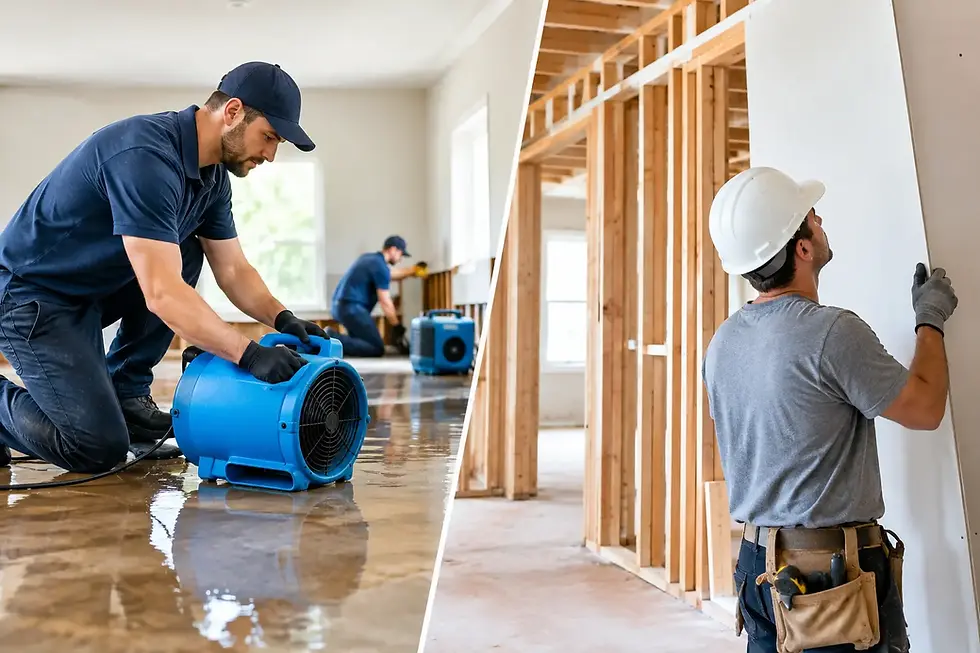
A visible pipe break is only one part of the problem. Water can travel under flooring, behind baseboards, through wall cavities, and into lower levels. Proper restoration may require moisture detection, controlled extraction, structural drying, and documentation for an insurance claim. Simply drying the visible surface can leave moisture behind, creating conditions for mold growth and material deterioration.
Seven Wonders Pro Cleaning provides 24/7 emergency response for Central New Jersey property owners dealing with water damage. Our team uses moisture-detection equipment and a documented restoration plan to identify affected materials, begin mitigation quickly, and support the claims process with clear records.
A winter property check takes far less time than recovering from a flooded room. Before the next freeze, walk the building with an eye for cold air, exposed pipes, heat reliability, and a clear path to the main shutoff valve. That preparation protects more than plumbing - it protects the spaces and people who depend on your property.

Comments