


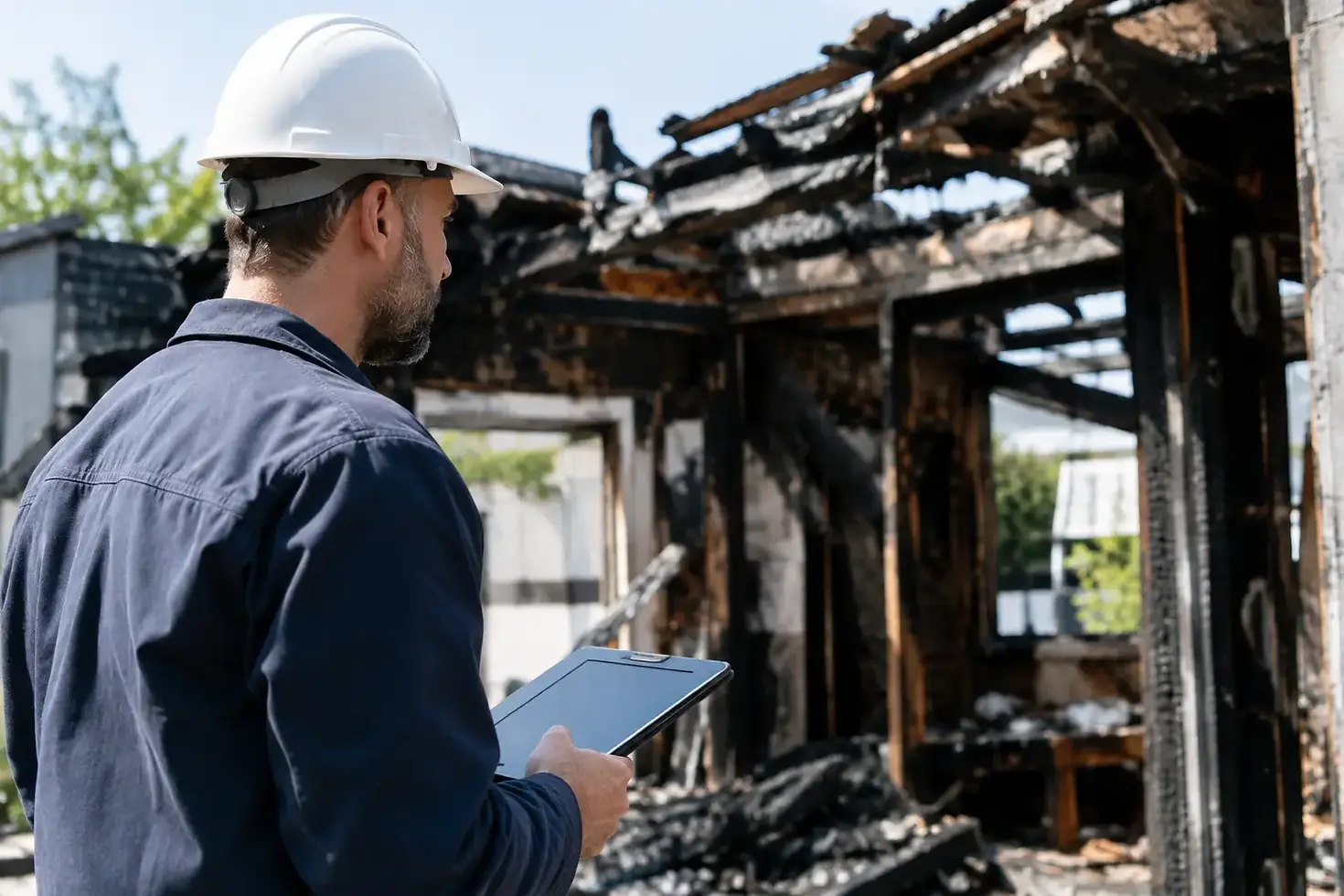
Prepare a Business After a Fire Without Delay

A fire can stop business operations in minutes, but the damage continues to grow if the property is left unsecured, wet, or contaminated by smoke. To prepare a business after a fire, owners and facility managers need a controlled response that protects people first, preserves evidence for the insurance claim, and prevents avoidable damage from delaying reopening.
The first 24 to 72 hours set the direction for recovery. A clear plan helps you make decisions under pressure without allowing urgency to compromise safety, documentation, or the quality of the restoration work.
Start With Safety and Official Clearance
Do not allow employees, tenants, or vendors to re-enter the building until the fire department or local authority has released it for entry. Even a small fire can leave behind weakened ceilings, damaged electrical wiring, broken glass, standing water, and airborne soot particles that are unsafe to breathe.
Once entry is permitted, limit access to essential personnel and restoration professionals. Create a sign-in record for everyone entering the site. This is useful for safety oversight and can help maintain a clear record of activity for your insurer.
If the building has a fire suppression system, plumbing may have released a significant amount of water. Electrical power should remain off until a qualified professional confirms that the system is safe. Avoid using ordinary fans, shop vacuums, or cleaning products to handle the initial damage. They can spread soot, push moisture deeper into materials, and create additional safety concerns.
Secure the Property Before Damage Spreads
A fire-damaged commercial property is vulnerable to weather, theft, and unauthorized entry. Broken windows, damaged doors, roof openings, and compromised exterior walls should be addressed immediately with emergency board-up or temporary protection.
Securing the site does more than protect inventory and equipment. It also helps prevent rainwater, wind-driven debris, and pests from creating a second loss after the fire. In Central New Jersey, changing weather can turn an exposed opening into substantial interior water damage quickly.
Your insurance policy may require reasonable steps to protect the property from further damage. Keep records of every emergency action taken, including photographs, invoices, contractor reports, and temporary repair materials. This documentation demonstrates that you acted responsibly to mitigate the loss.
Document the Loss Before Cleanup Begins
Cleaning too soon can make it harder to prove the full extent of the damage. Before moving, discarding, or wiping down affected items, photograph and video the entire property. Capture wide views of each room, then take closer images of burned materials, soot deposits, water damage, damaged inventory, equipment, furniture, documents, and exterior openings.
Include areas that may look unaffected at first glance. Smoke travels through HVAC systems, wall cavities, storage areas, and offices away from the fire source. Acidic soot residue can permanently stain surfaces, corrode electronics, and create persistent odors if it is not professionally removed.
For a commercial loss, separate damaged contents into practical categories: inventory, machinery, electronics, furniture, tenant improvements, records, and building materials. Do not throw away damaged property until the insurer has had an opportunity to review it, unless it presents an immediate health or safety risk. When disposal is necessary, photograph the item and retain identifying details whenever possible.
A detailed inventory is especially valuable for businesses with specialized tools, point-of-sale equipment, medical devices, manufacturing equipment, or seasonal stock. Replacement cost, downtime, and lost revenue may all be part of the larger claim conversation.
Contact Your Insurer and Establish One Point of Contact
Notify your insurance carrier as soon as practical. Ask for a claim number, the assigned adjuster’s contact information, and instructions for emergency mitigation. Report the facts you know without guessing about the cause, scope, or cost of the loss.
Assign one person from your organization to coordinate updates with the insurer, restoration team, property owner, and key vendors. For a larger facility, this may be a property manager, operations director, office manager, or business owner. A single point of contact prevents conflicting instructions and keeps decisions moving.
Professional restoration documentation can make this process more manageable. Detailed photographs, moisture readings, scope notes, equipment logs, and Xactimate-based estimates give the claim a clear technical record. This is not about inflating a loss. It is about accurately documenting what is required to return the property to pre-loss condition.
Build a Controlled Fire Recovery Plan
Every fire loss is different. A small kitchen fire with limited smoke may allow a business to reopen in stages, while a structure fire or sprinkler discharge may require broad demolition, drying, odor treatment, and reconstruction. The right plan begins with an assessment, not an assumption.
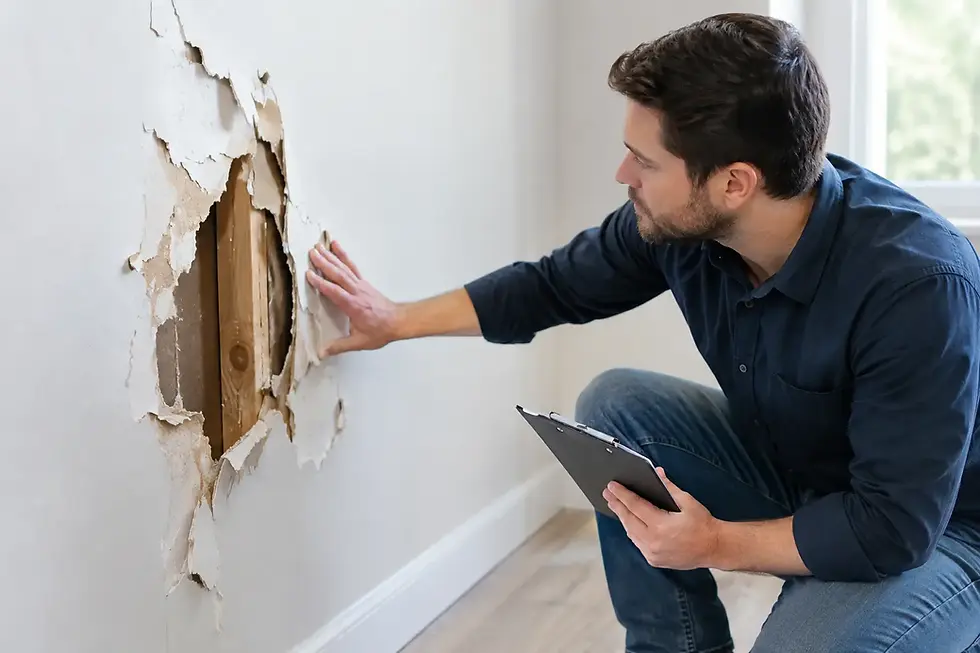
An experienced restoration team should inspect visible fire damage as well as hidden moisture and smoke migration. Thermal imaging and moisture-detection tools can identify wet insulation, saturated flooring, damp wall systems, and concealed water damage from suppression efforts. These conditions must be addressed before rebuilding begins, or they can lead to mold growth, material failure, and delays later.
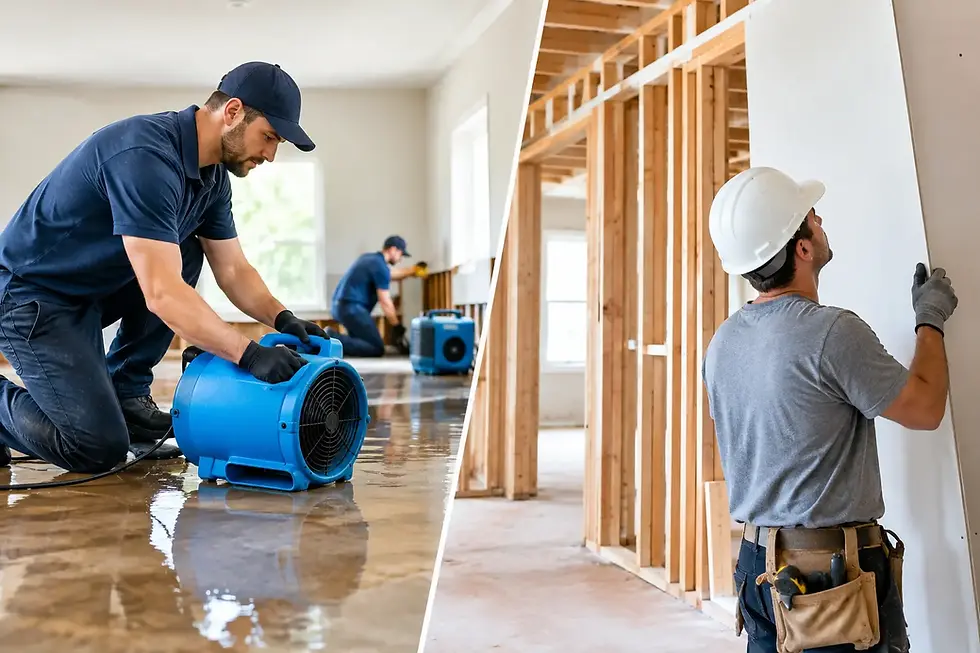
A practical restoration plan should establish the order of work: emergency protection, water extraction and structural drying, debris removal, soot and smoke cleaning, odor control, contents handling, repairs, and reconstruction. It should also explain what areas can remain operational and which must be isolated.
For many businesses, partial operations are possible. A retail shop may be able to reopen a clean portion of the sales floor. An office may shift staff to remote work while affected suites are restored. A landlord may need to coordinate access with multiple tenants and prioritize life-safety repairs first. The trade-off is that operating near restoration work requires strict containment, safe pathways, and clear communication with employees and customers.
Protect Employees, Customers, and Business Operations
A reopening date should never be based on appearance alone. The property must be safe, clean, and operational. Smoke odor is not simply an inconvenience. It can indicate that residues remain in porous materials, HVAC components, or concealed spaces.
Before reopening, confirm that electrical systems, fire alarms, sprinklers, ventilation, plumbing, and required inspections have been addressed. Review your local occupancy requirements if the fire affected exits, fire-rated assemblies, kitchens, public areas, or major building systems.
Communicate early with employees, tenants, clients, and suppliers. Let them know whether operations are temporarily closed, relocated, reduced, or scheduled to resume. Keep the message factual: what happened, what services are available, and when the next update will be provided. Clear communication helps preserve trust when people are already concerned about disruption.
If critical records were damaged, prioritize secure data recovery and continuity planning. Move payroll, customer communications, scheduling, and vendor orders to approved backup systems. Avoid connecting fire- or water-damaged electronics to power until they have been evaluated. Corrosion can develop after the initial event and cause later failures.
Why Professional Mitigation Matters
Fire restoration is not ordinary cleaning. Different types of smoke leave different residues, and each requires the right cleaning method. Dry soot, oily soot, protein-based residue, and residues from burned plastics or synthetic materials can react differently to surfaces. Improper cleaning can smear contamination deeper into paint, textiles, electronics, and finishes.
Professional mitigation also addresses the water side of a fire loss. Sprinklers, hoses, and firefighting efforts can saturate carpets, drywall, insulation, wood framing, and contents. Industrial extraction, controlled drying, containment, and ongoing moisture monitoring are necessary to reduce secondary damage.
Seven Wonders Pro Cleaning provides 24/7 emergency response for Central New Jersey commercial properties, combining IICRC-certified restoration practices with documentation designed to support the insurance process. The goal is not simply to make the space look better. It is to stabilize the loss, protect the claim, and restore the building with accountable workmanship.
Prepare Your Business After a Fire With a Reopening Checklist
Before staff and customers return, verify that the property has been cleared for occupancy, temporary openings are repaired, and all affected areas have been properly cleaned and dried. Confirm that smoke odor has been treated at the source rather than covered with fragrance. Make sure damaged materials have been removed or repaired, mechanical systems have been evaluated, and fire protection systems are back in service.
Keep all restoration records together: photos, inventories, estimates, invoices, drying logs, equipment records, communications with the carrier, permits, and inspection reports. These documents support the current claim and can improve your emergency planning for the future.
A fire creates an immediate crisis, but a disciplined response gives your business the best path forward. Protect the people, secure the structure, document every loss, and insist on restoration work that is complete enough to support a safe return to business.

Comments