



Restoration Estimate Versus Insurance Adjuster

A burst pipe can soak insulation behind a finished wall long before water appears on the floor. A kitchen fire can leave corrosive smoke residue inside cabinets that look untouched. That is why a restoration estimate versus insurance adjuster review can feel confusing: both documents address the same loss, but they may measure the damage differently.
For Central New Jersey property owners, the goal is not to “win” an argument with the insurance carrier. It is to make sure the scope of work reflects the actual conditions in the building, the safety requirements of the loss, and the repairs needed to return the property to pre-loss condition.
Why Restoration Estimates and Adjuster Estimates Differ
An insurance adjuster represents the carrier and evaluates the reported claim under the policy’s coverage, limits, deductible, and exclusions. The adjuster may inspect the property, review photos and invoices, and prepare an estimate for covered damage. Their estimate is a key part of the claim, but it is not always a complete restoration plan.
A restoration contractor evaluates what must be done to stabilize, dry, clean, remove, repair, and document the damaged area. That assessment is based on field conditions. It can include moisture readings, thermal imaging results, material conditions, contamination concerns, equipment requirements, labor, and the access needed to perform the work correctly.
Both parties may use Xactimate, a widely used estimating platform in the insurance industry. Using the same platform helps create a common language, but it does not guarantee identical scopes. The difference usually comes down to what was observed, what was documented, and when the inspection occurred.
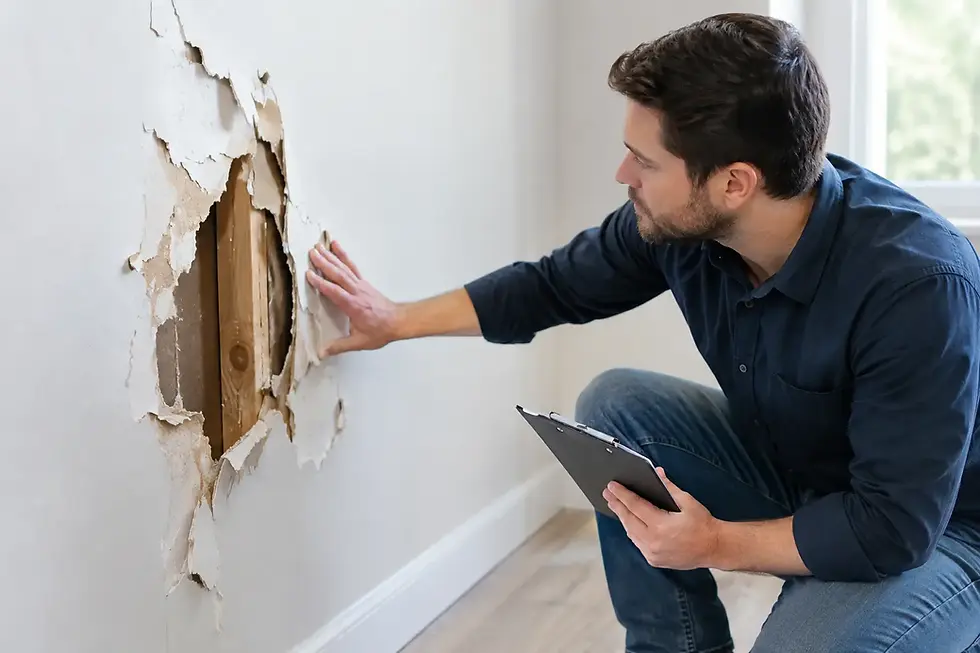
For example, an initial adjuster inspection after a supply-line leak may identify damaged flooring and baseboards. During controlled removal, the restoration team may find wet insulation, elevated moisture inside framing, or microbial growth behind the wall. Those conditions were not necessarily ignored. They may simply have been concealed at the time of the first inspection.
What a Professional Restoration Estimate Should Include
A credible estimate is more than a total dollar amount. It should show how the restoration team reached its recommendations and what each part of the scope is intended to accomplish.
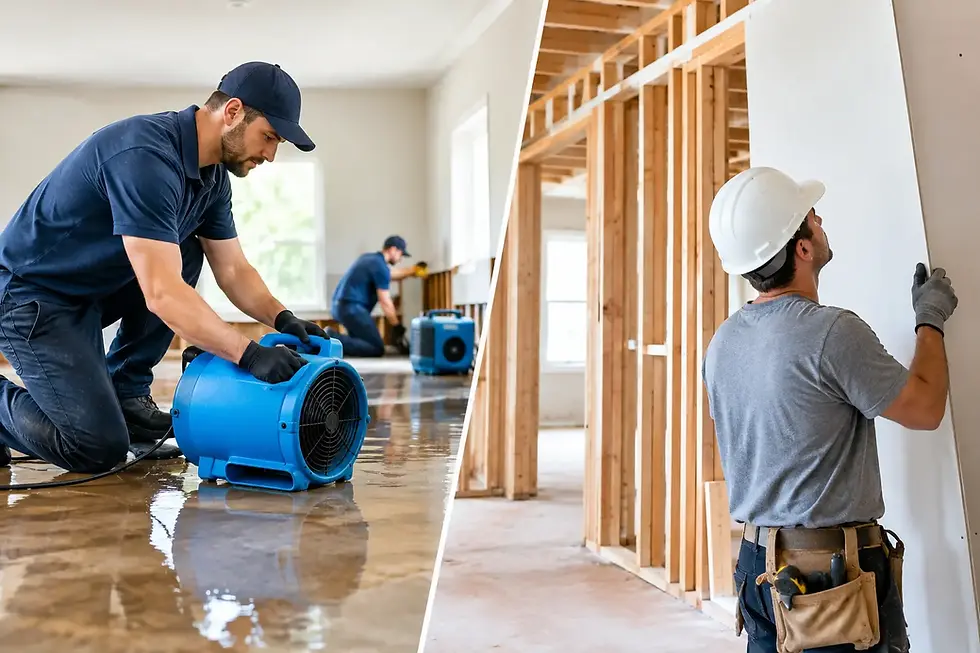
For a water loss, the estimate may address emergency extraction, removal of unsalvageable materials, structural drying equipment, daily monitoring, moisture documentation, cleaning, and reconstruction-related repairs. For fire damage, it may include board-up, soot and smoke cleaning, odor-control measures, content handling, demolition, and repairs. A sewage backup may require containment, removal of contaminated porous materials, cleaning, sanitation, and verification that affected areas are safe for reoccupation.
The details matter because restoration work is sequenced. Drying cannot be planned responsibly without identifying wet materials and tracking whether they are returning to an acceptable moisture condition. Mold remediation cannot be scoped correctly without understanding the extent of affected materials, the source of moisture, and the containment needed to prevent cross-contamination.
Look for documentation that connects the recommended work to the loss. This can include photographs, moisture maps, thermal images, equipment logs, diagrams, material measurements, and notes from the site visit. Thorough documentation gives the adjuster useful information and gives you a clear record of what happened at your property.
Restoration Estimate Versus Insurance Adjuster: Where Gaps Occur
A gap between estimates does not automatically mean one side is wrong. Claims develop. Some differences are legitimate and can be resolved through clear documentation and communication.
Common reasons for a difference include hidden damage, differences in material quantities, local pricing updates, code-related requirements, depreciation, or a disagreement about whether an item can be cleaned and restored rather than replaced. The policy itself also affects the outcome. A homeowner with replacement cost coverage may have a different claim process than a property owner with actual cash value coverage, and commercial policies can carry distinct terms and endorsements.
The timing of the inspection also matters. Emergency mitigation often begins before every concealed condition can be seen because waiting can allow water damage, smoke corrosion, or mold growth to spread. A qualified restoration team should document conditions before and during work so additional findings are supported, not assumed.
It also depends on the type of loss. A clean-water leak caught quickly may require limited drying and minor repairs. Water that has traveled beneath flooring, entered wall cavities, or sat for several days can require a substantially broader scope. The same principle applies after a fire: light surface soot and heavy protein smoke from a kitchen fire do not call for the same cleaning approach.
How to Protect Your Claim Without Delaying Recovery
Start by reporting the loss promptly and taking reasonable steps to prevent further damage. Shut off the water source if it is safe to do so, protect exposed openings after storm damage, and avoid entering areas affected by sewage, structural instability, or heavy smoke. Save receipts for reasonable emergency expenses and keep a record of important conversations.
Then request a detailed restoration assessment. The strongest claim support is factual, organized, and easy to review. Ask for photos, measurements, moisture readings where applicable, a written scope, and an explanation of any work that is necessary for health, safety, drying, or code compliance.
Do not sign away control of your claim without understanding the document. Assignment-of-benefits agreements, direction-to-pay forms, authorizations, and contracts can have different purposes. Read them carefully, ask questions, and retain copies. A professional contractor should explain the paperwork in plain language.
If the adjuster estimate is lower than the restoration estimate, ask for an item-by-item comparison. The question is not simply, “Why is your number different?” Ask which line items are missing, which quantities differ, what documentation is needed, and whether the carrier needs to reinspect newly exposed damage. This approach keeps the discussion tied to the work rather than frustration.
The Right Role for Your Restoration Contractor
A restoration contractor should not promise coverage decisions. Insurance carriers determine coverage under the policy, and no contractor can guarantee what an insurer will pay. What a qualified team can do is document the loss accurately, explain the required work, communicate with the adjuster, and provide information needed to support a complete review.
At Seven Wonders Pro Cleaning, that process begins with rapid response and a disciplined assessment. IICRC-certified technicians use moisture-detection tools, thermal imaging, industrial-grade extraction and drying equipment, and Xactimate-based documentation to build a restoration plan around real site conditions. That helps reduce avoidable delays while keeping the property owner informed.
For landlords and property managers, documentation is especially valuable. A well-organized file helps explain why a unit cannot be occupied, supports decisions about emergency repairs, and creates a record for owners, tenants, insurers, and maintenance teams. For commercial properties, it can also support business-continuity planning by clarifying what areas are affected and what restoration phases can be completed safely.
Questions to Ask Before You Approve the Scope
Before authorizing major work or accepting a settlement figure, make sure you understand the practical path forward. Ask whether all affected materials have been tested or inspected, what can be saved, what must be removed, and how the team will verify drying or cleaning results. Ask whether the estimate separates emergency mitigation from reconstruction, since these phases may be approved and scheduled differently.
You should also ask how supplements will be handled if concealed damage is discovered. A supplement is not a failure of the original estimate. It is a documented request for additional work when new, loss-related conditions become visible. The key is prompt communication and evidence that clearly ties the condition to the event.
If you disagree with a coverage decision, review your policy and speak directly with your insurer. For significant disputes, you may also consider obtaining guidance from a qualified insurance professional or attorney. The restoration contractor’s role remains focused on the property condition and the work required to restore it.
A clear estimate should give you more than a price. It should give you a defensible plan for making the property safe, limiting further damage, and moving each room or business area back toward normal operations.

Comments