



Roof Tarping Comparison After Storm Damage

A roof leak after a Central New Jersey storm rarely stays a roof problem. Water can travel behind walls, soak attic insulation, damage ceilings, and create conditions for mold before the next clear day. This roof tarping comparison explains what separates a short-term cover from effective emergency protection - and when a professional installation is the safer choice.
What a Roof Tarp Is Meant to Do
Emergency roof tarping is a mitigation measure, not a permanent repair. Its job is to cover an opening caused by missing shingles, wind-lifted flashing, fallen limbs, fire damage, or structural failure and stop additional rain from entering the building.
That distinction matters for insurance and for the condition of the property. A tarp that is too small, loosely attached, or installed over standing water may give a false sense of security while moisture continues entering the structure. Proper tarping reduces the risk of secondary damage while the property owner, insurer, and restoration team determine the scope of repair.
For commercial properties, the stakes can be even higher. A compromised low-slope roof can expose inventory, electrical systems, tenant spaces, and business operations. The right temporary cover must account for drainage, wind exposure, roof access, and the condition of the deck beneath the roofing material.
Roof Tarping Comparison: Material, Fit, and Attachment
Not all tarps perform the same way, and the material alone does not determine whether the installation will hold. The most effective option depends on the size and location of the opening, the roof pitch, expected weather, and whether the roof structure remains safe to access.
Standard blue polyethylene tarps
Lightweight polyethylene tarps are widely available and can be useful for a very small, low-risk opening when installed correctly. They are inexpensive and easy to handle, but many consumer-grade versions tear at grommets, degrade under sun exposure, and flap in strong wind. They are best viewed as a very brief stopgap, not a dependable answer for an exposed roof after a major storm.
A common failure occurs when a homeowner runs rope through the grommets and ties it to gutters, vents, or nearby structures. Wind concentrates force at those small connection points, which can rip the tarp or further damage roof components. Improvised fastening also creates trip and fall hazards.
Heavy-duty reinforced tarps
A thicker, reinforced polyethylene tarp generally offers better puncture resistance and wind performance. It is often the practical choice for moderate areas of missing shingles or punctures from branches, especially when installed with sufficient overlap and secure edge protection.
The trade-off is weight and handling. A heavy tarp can be difficult to position safely on a steep, wet, or debris-covered roof. If the roof has soft spots, broken decking, or a large opening, sending an untrained person onto it can turn property damage into a serious injury.
Canvas and specialty waterproof covers
Canvas tarps are durable, but untreated canvas can absorb water and become heavy. Waterproof-treated canvas may serve certain applications, though it is not automatically the best emergency roof material. Specialty temporary roof covers and shrink-wrap systems can provide stronger protection for extensive damage, but they require trained installation and may be more appropriate for prolonged repairs, fire losses, or large commercial structures.
The comparison should not end at the product label. A tarp must extend beyond the damaged area, direct water down and away from the opening, and remain secure without creating unnecessary new penetrations in sound roofing material.
Installation Methods Matter More Than Most Property Owners Expect
A tarp protects only when its edges are controlled. Wind-driven rain can move uphill, sideways, and under loose material. A cover laid directly over a hole without enough overlap may allow water underneath during the first hard rain.
For many sloped roofs, the upper edge should extend past the damage toward the ridge so runoff does not reach an exposed seam. The lower edge must shed water naturally rather than trap it. Professionals may use wood battens to secure the tarp perimeter, placed carefully to distribute force and minimize additional roof damage. The exact approach changes with the roof system and the location of the loss.
Adhesives and roofing tape can help with very small, dry-surface applications, but they are unreliable on wet, dirty, cold, or uneven surfaces. They also cannot compensate for a tarp that is undersized or poorly positioned. Sandbags may work on certain low-slope surfaces, but on a pitched residential roof they can slide, shift, or overload damaged areas.
Never staple a tarp into shingles and assume the work is complete. Staples create additional penetrations and commonly pull free in wind. They may also complicate later repairs by damaging more shingles than the original loss.
DIY Tarping vs. Professional Emergency Tarping
A limited DIY response can make sense in a narrow set of circumstances: the opening is small, the roof is low and safely accessible, weather is calm, and the property owner can work from a ladder or ground-level position without stepping onto a compromised roof. Even then, the goal is simply to reduce exposure until qualified help arrives.
Professional emergency tarping is the stronger option when damage is extensive, active weather continues, a tree has struck the roof, the roof is steep, or there are signs of interior water intrusion. It is also appropriate when a landlord or property manager needs documented conditions for multiple units or a commercial site.
A qualified response team brings more than a tarp. The work should begin with a safety assessment, followed by an inspection of the exterior and interior damage. Moisture detection tools and thermal imaging can help identify water that has moved beyond the visible stain. Photos, measurements, and documented mitigation steps support a clearer insurance claim and help prevent disputes over what occurred after the initial loss.
When Tarping Is Not Enough
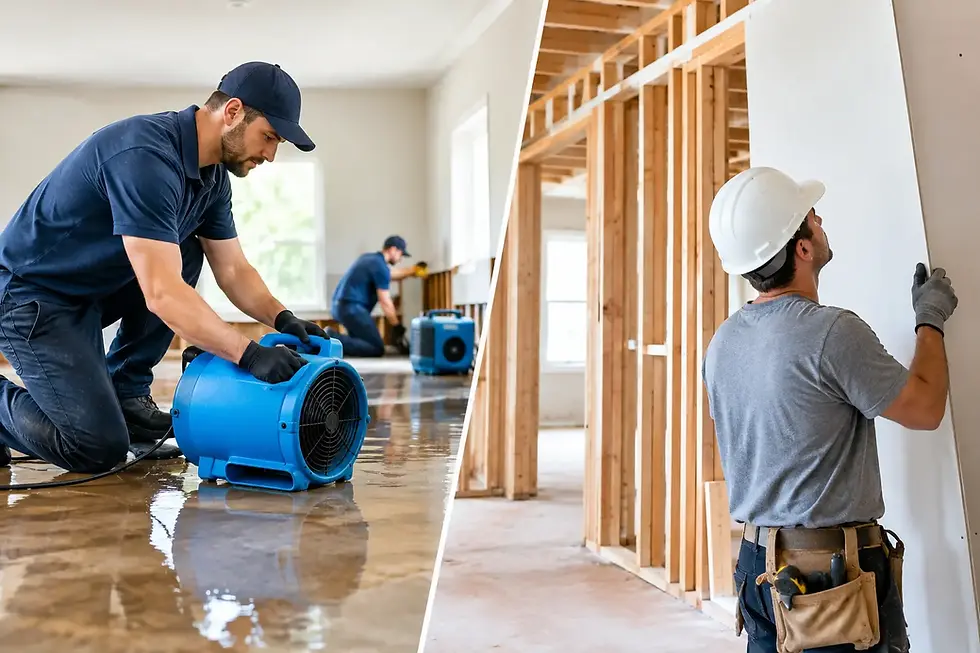
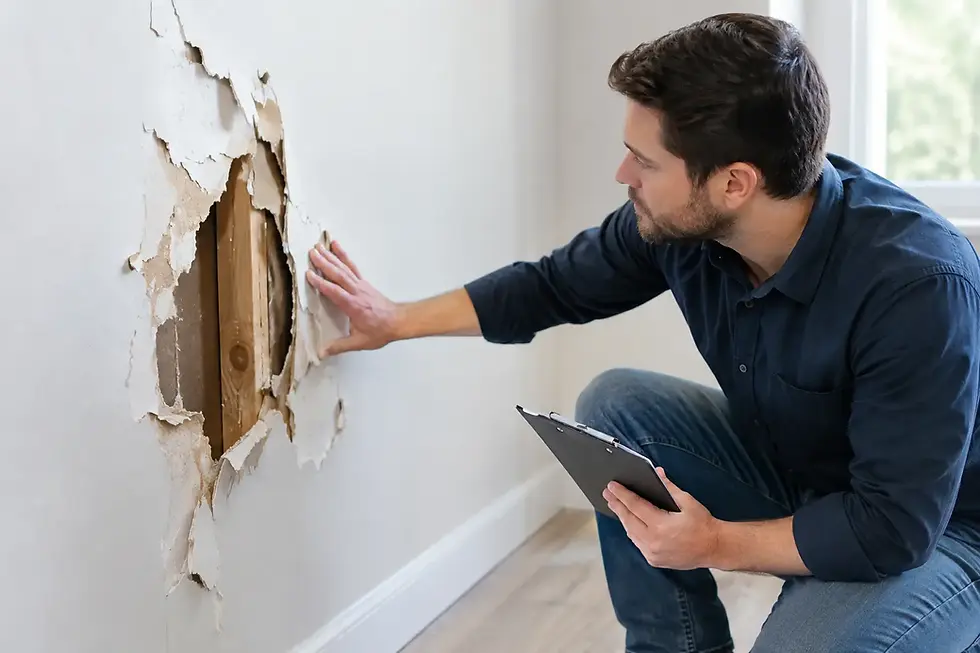
Tarping may slow additional water entry, but it does not remove water already inside the structure. If ceilings are sagging, drywall is wet, insulation is saturated, or water has reached electrical fixtures, the property needs more than exterior protection.
Watch for these conditions after a storm:
A ceiling that is bulging, cracked, or actively dripping
Water near outlets, light fixtures, panels, or appliances
A musty odor in the attic, upper floor, or wall cavities
Wet insulation, stained framing, or softened drywall
Visible daylight through the roof deck or signs of structural movement
Do not puncture a bulging ceiling unless you understand the electrical and structural risks. Keep people away from the area, move valuables if it is safe to do so, and arrange for emergency assessment. Controlled water extraction, structural drying, and targeted demolition may be needed to protect the building materials that can still be saved.
Insurance Documentation During a Roof Emergency
Most property insurance policies expect owners to take reasonable steps to prevent further damage after a covered loss. Emergency tarping is often part of that responsibility. However, coverage depends on the cause of damage, policy language, deductible, and documentation.
Take clear photos and video from safe locations before moving debris or covering the roof. Record the date, weather conditions, visible damage, interior leaks, and any emergency expenses. Keep invoices for mitigation work and avoid authorizing permanent reconstruction before the claim process has established the scope, unless immediate safety conditions require it.
A professional restoration company can help organize the evidence, document moisture conditions, and prepare estimates using insurance-recognized estimating practices. This does not guarantee coverage, but it gives the carrier a clearer record of the damage and the steps taken to protect the property.
A Better Decision After Wind, Rain, or Tree Damage
The best tarp is not always the thickest or most expensive one. It is the one sized, placed, and secured for the actual failure point without putting anyone at risk. For a small opening on a safe, accessible surface, a temporary heavy-duty cover may buy valuable time. For a damaged ridge, fallen tree, multiple missing shingles, interior leaks, or a commercial roof, emergency mitigation should be handled as a coordinated restoration issue.
Seven Wonders Pro Cleaning provides 24/7 emergency response for Central New Jersey property owners who need roof protection, water mitigation, damage documentation, and clear next steps after a storm. Acting early can preserve more of the property, limit disruption, and give the repair process a firmer starting point before the next rainfall arrives.

Comments