



How to Read Fire Restoration Contractor Reviews

A fire can leave a property looking visibly damaged, but the most expensive problems are often the ones you cannot see: corrosive smoke residue inside walls, water trapped beneath flooring, soot in HVAC pathways, and odors that return after a rushed cleanup. Fire restoration contractor reviews can help you find the right response team, but only if you know what the reviews are actually telling you.
For Central New Jersey homeowners, landlords, property managers, and business owners, the goal is not simply to hire someone who can clean up. You need a qualified contractor who can protect the property, document the loss, coordinate with the insurance process, and restore affected areas to pre-loss condition.
What Strong Reviews Should Tell You
A five-star rating is a useful starting point, not a final decision. Restoration work is performed under pressure, often when a family cannot remain at home or a business has stopped operating. The most valuable reviews describe how the contractor performed when the situation was difficult.
Look for specific comments about response time, communication, cleanliness, documentation, and the condition of the property after work was completed. A review that says, “They arrived quickly, explained the scope, and worked with our adjuster,” provides more useful information than “Great service.” Specific details are harder to manufacture and more likely to reflect a real restoration experience.
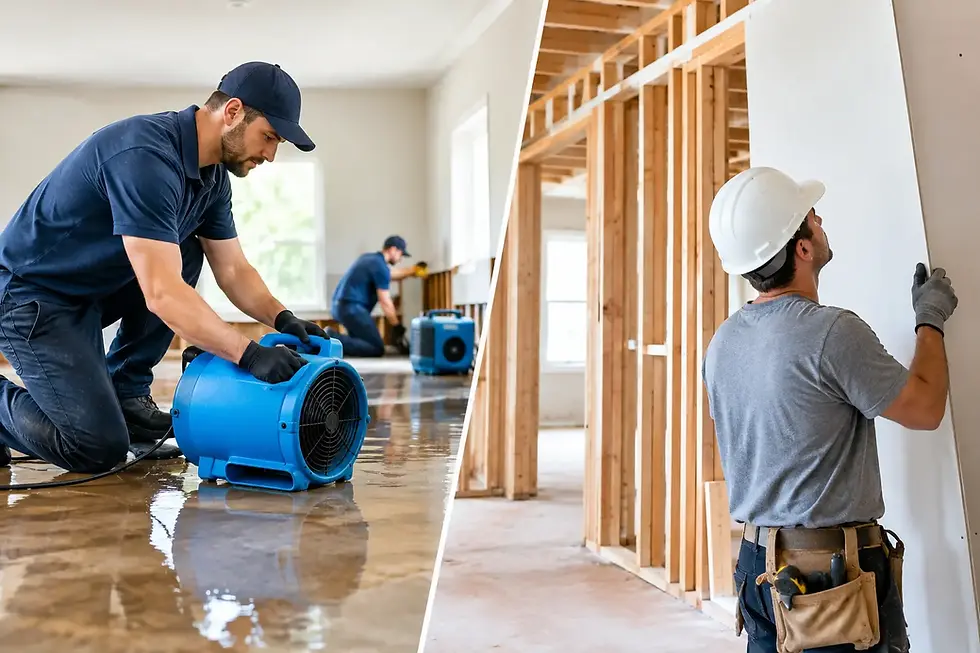
Pay close attention to whether reviewers mention both mitigation and reconstruction. Fire damage may require emergency board-up, debris removal, soot cleaning, odor control, structural drying, contents handling, and repairs to drywall, flooring, electrical systems, or plumbing. A company that manages the process from the first emergency call through the repair phase can reduce handoffs, scheduling gaps, and disputes over responsibility.
For commercial properties, look for evidence that the contractor understands business interruption. Reviews from facility managers may mention containment, after-hours work, safe access planning, clear job documentation, and efforts to keep unaffected areas operating. Those details matter when every closed day carries a cost.
Read Fire Restoration Contractor Reviews for Process, Not Praise
The best fire restoration contractor reviews describe a repeatable process. Fire scenes vary, but competent restoration follows a disciplined sequence: secure the property, assess the damage, document conditions, remove hazards, clean and dry affected materials, control odors, and rebuild where needed.
When reviewers repeatedly mention a contractor arriving prepared, inspecting carefully, and providing updates, that is a meaningful pattern. It suggests the company has operating standards rather than relying on improvised decisions at each job.
Technical language in a review can also be a positive signal when it is connected to clear service. Terms such as thermal imaging, moisture detection, containment, HEPA filtration, structural drying, and Xactimate estimates indicate that the contractor may be using professional restoration practices. Still, jargon alone does not prove quality. The contractor should be able to explain what the equipment or method does and why it is necessary for your property.
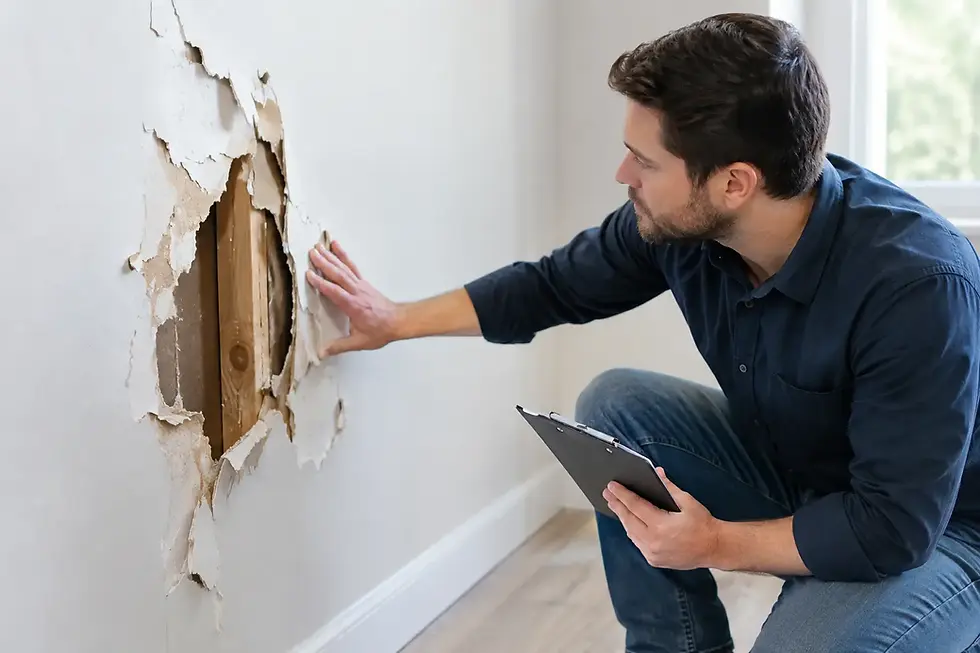
For example, water used to extinguish a fire can migrate far beyond the visibly wet area. A reliable team should assess hidden moisture before closing walls or installing new finishes. If a review describes technicians checking cavities, monitoring drying progress, or documenting readings for the insurer, it points to a more careful approach than surface-level cleanup.
Check Credentials Behind the Comments
Reviews should support your decision, but credentials should verify it. Fire and smoke restoration can involve health risks, damaged building systems, and insurance requirements. Before authorizing major work, confirm that the contractor has the qualifications to perform it.
Ask whether technicians hold relevant IICRC certifications and whether the business is licensed and insured for the work it will perform in New Jersey. IICRC certification is particularly relevant because it demonstrates training in recognized restoration methods. You should also ask who will be on-site, whether subcontractors will be used, and who remains accountable for the completed work.
A reputable contractor should have no problem discussing documentation. Detailed photos, moisture readings, itemized scopes, drying logs, and Xactimate-based estimates can help establish the extent of damage and support a properly documented insurance claim. This is not paperwork for its own sake. It protects you if questions arise about what was damaged, what work was necessary, and whether conditions were fully addressed.
Be cautious if a company promises to handle everything but cannot describe its licensing, insurance coverage, certifications, or claim documentation practices. Fast action is necessary after a fire, but speed should not replace accountability.
Notice How Reviews Handle Insurance Claims
Insurance coordination is one of the most revealing themes in restoration reviews. The contractor does not decide what your policy covers, and no ethical company should promise a guaranteed claim outcome. However, a skilled restoration team can make the process easier by documenting damage accurately, preparing a clear estimate, and communicating directly with adjusters when appropriate.
Look for reviews that mention organized estimates, responsive office communication, photographs, inventory support, and explanations of the work scope. These details show that the contractor recognizes restoration as both a physical repair project and a documentation project.
There is a trade-off to consider. A contractor that works with insurers regularly may make the process less stressful, but you should still remain involved. Review the scope of work, ask what is included, and request clarification when an item is unclear. Your contractor should support your claim with evidence, while you retain control over decisions about your property.
Red Flags That Matter More Than a Star Rating
A few negative reviews do not automatically disqualify a company. Restoration is complex, and even good contractors can encounter supply delays, hidden damage, or coverage disagreements. What matters is the pattern and the response.
Be concerned when multiple reviews describe the same issue: missed appointments, poor communication, unfinished repairs, surprise charges, or pressure to sign immediately without a clear scope. A defensive or dismissive response to every complaint can be another warning sign. Professional contractors address concerns with facts, timelines, and a clear effort to make things right.
Other warning signs may not appear in reviews at all. Be careful with vague estimates, unusually low pricing before an inspection, requests for large payments without documentation, or a refusal to provide proof of insurance. Fire damage can expose concealed issues, so a final cost may change after a proper assessment. That is different from a contractor who refuses to explain pricing or uses confusion to push you into an agreement.
Questions to Ask Before You Hire
Reviews narrow the field. A short conversation should confirm whether the contractor is equipped for your loss. Ask whether they provide 24/7 emergency response, how quickly they can secure the property, and how they prevent additional damage from weather, water, or unauthorized entry.
Then ask how they assess smoke, soot, water, and odor damage beyond the visibly burned area. A qualified contractor should explain how inspections guide the restoration plan and how progress will be documented. Ask who your primary contact will be, how often you will receive updates, and whether the team coordinates with your insurance adjuster.
Finally, clarify the project endpoint. Some contractors only perform emergency mitigation, while others can manage repairs and reconstruction. Neither model is inherently wrong, but you should understand who is responsible for each phase before work begins. For property owners facing a major loss, one accountable team can simplify scheduling and preserve continuity from assessment through final repair.
A Local Response Team Should Make the Next Step Clear
After a fire, you should not have to chase answers while your property remains exposed. The right contractor will explain immediate safety concerns, identify what can be saved, outline the next steps, and provide documentation that supports informed decisions.
Seven Wonders Pro Cleaning brings that approach to Central New Jersey properties through 24/7 emergency response, IICRC-certified restoration practices, detailed damage assessment, and coordination throughout the insurance process. The focus is precision restoration: protecting the property now while planning the work required for a complete recovery.
Read reviews carefully, verify the qualifications behind them, and choose the team that communicates with the same care it brings to the restoration work. A clear plan in the first hours after a fire can protect both your property and your peace of mind.

Comments